You’ve finally done it — restoring your hairline and confidence with a hair transplant. But now your surgeon suggests Platelet-Rich Plasma (PRP) therapy as a follow-up. Is it truly necessary, or just another add-on?
Let’s break it down. In this post, you’ll learn exactly what PRP therapy does after a hair transplant, what experts say, and whether it’s worth your time and money. No fluff. No jargon. Just a simple, honest explanation to help you make the right decision.
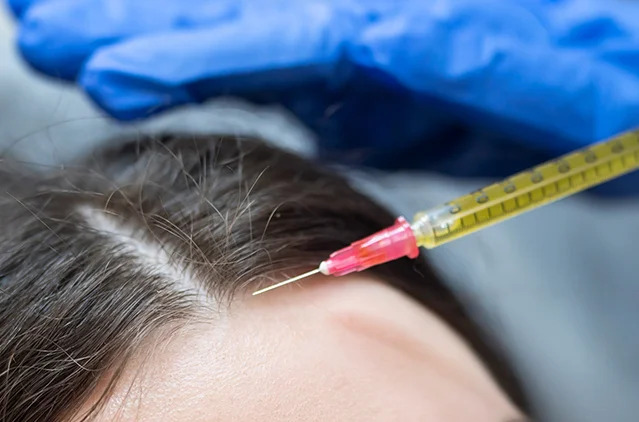
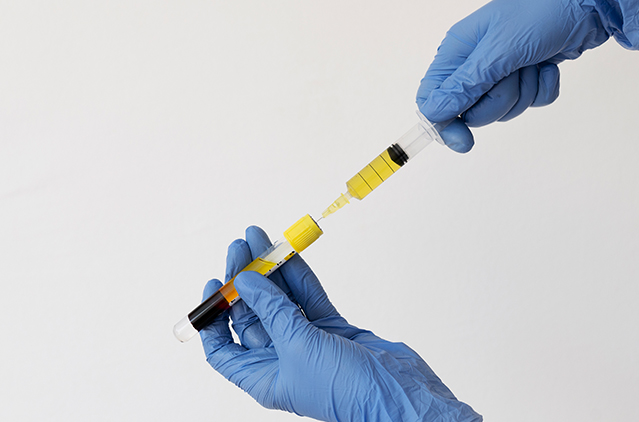
PRP therapy involves drawing a small amount of your blood, processing it to isolate platelet-rich plasma, and injecting it back into your scalp. This plasma is packed with growth factors that help tissue heal and regenerate faster.
While it’s been used in sports medicine for years, it has recently become a buzzword in hair restoration, especially when paired with Follicular Unit Extraction (FUE) hair transplant techniques.
But here’s the real question: Does PRP therapy make a meaningful difference after a transplant?
We spoke with top dermatologists and hair restoration specialists in Bangalore — including those at Kosmoderma, a leading hair transplant clinic in Bangalore — and their answer is unanimous:
“PRP therapy isn’t mandatory, but it significantly boosts your results.”
Let’s explain.
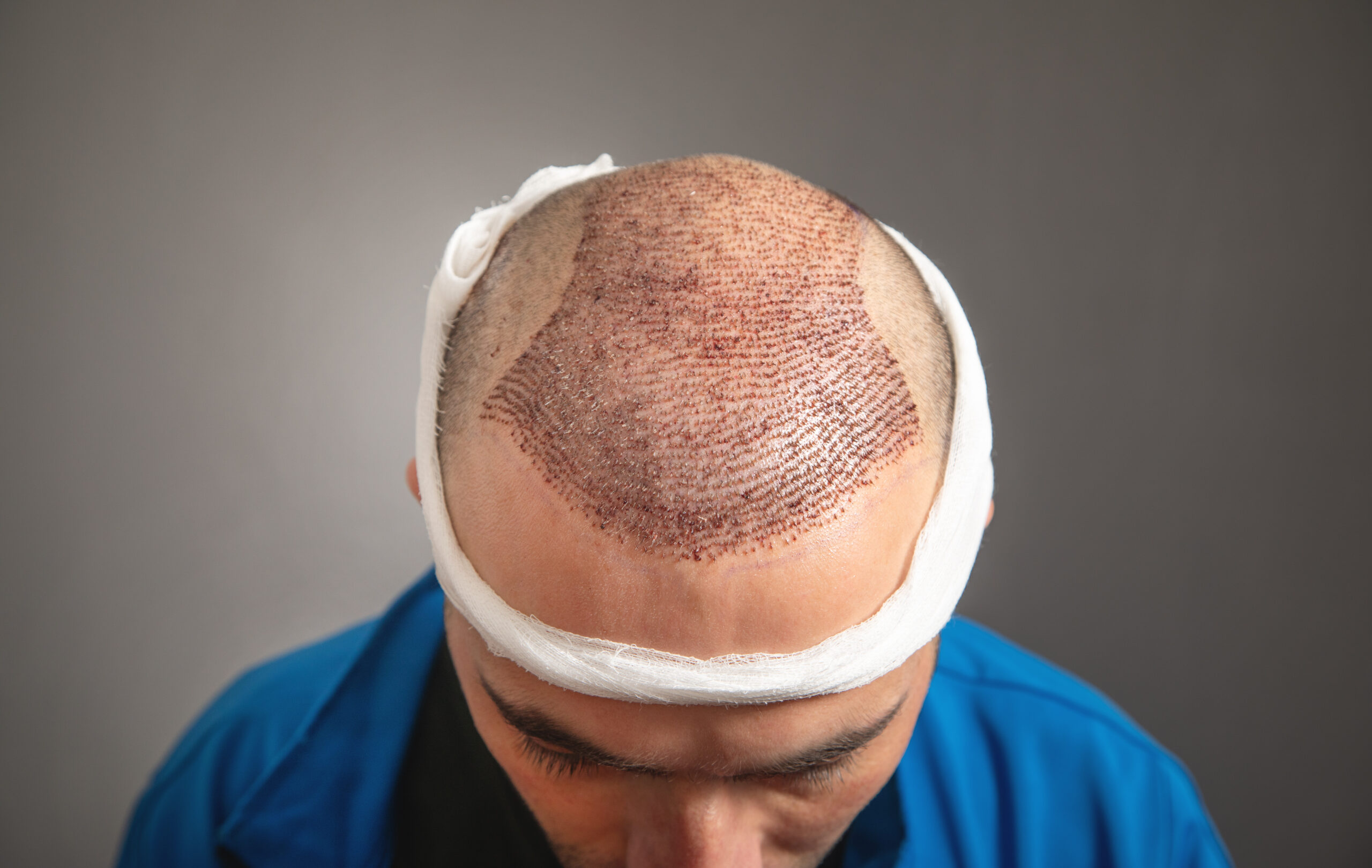
After a hair transplant, your scalp undergoes trauma, even with advanced, minimally invasive techniques like FUE. PRP therapy helps:
In fact, multiple clinical studies have shown that PRP can enhance the density and growth rate of transplanted hair within the first 3–6 months. That means less shedding, better outcomes, and potentially a shorter recovery period.
While not essential for everyone, PRP therapy is highly recommended if:
Think of it like fertilizer after planting a garden — not strictly required, but it makes a visible difference in how fast and strong things grow.
Here’s the truth: PRP therapy is not a magic wand. It won’t create hair in places where no grafts were placed. It won’t fix a poorly performed transplant. And it doesn’t replace good post-op care.
But when done properly, it gives you an edge — particularly in the first 6 months when the body’s healing response is at its peak.
According to the best hair transplant reviews in Bangalore, patients who opted for PRP along with their procedure reported:
Let’s simplify it:
No, it’s not mandatory.
Yes, it can improve your results, especially if you want to speed up healing and growth.
Definitely, consider it if you have weak follicles, poor circulation, or want the best possible outcome.
It’s not about adding more procedures — it’s about making the one you already did work better.
If you’re considering a hair transplant or already had one, speak to your doctor about PRP. Ask:
The best clinics will show you real patient outcomes and offer transparent packages. And if you’re searching for “hair transplant near me” or the best FUE hair transplant in Bangalore, look for clinics with a high hair transplant success rate and customized follow-up care.
Hair restoration is a journey. Whether you’re fighting a receding hairline, male pattern baldness, or patchy growth, small decisions like saying yes to PRP can make a big difference over time.
You don’t need to know everything — that’s what your doctor is for. But knowing what to ask and what each step does puts you in control of your transformation.
And if you’re still unsure, just write down your doubts, bring them to your next consultation, and ask. The answers might surprise you.
No, PRP therapy is not mandatory. However, many hair restoration experts, including those at Kosmoderma, recommend it to accelerate healing, improve graft survival, and enhance final results.
Most doctors recommend starting PRP therapy 2–4 weeks after your hair transplant. This gives your scalp time to begin the initial healing process and allows PRP to support early growth phases effectively.
Typically, 3 sessions spaced 4–6 weeks apart are advised for optimal results. However, some patients benefit from just 1–2 sessions, especially if done within the first few weeks post-surgery.
Yes, PRP can stimulate faster and thicker hair growth, particularly in the first 3–6 months’ post-transplant. It enhances blood supply to the grafts and supports follicle regeneration.
PRP is generally safe since it uses your own blood. Mild redness, swelling, or tenderness at the injection sites may occur but typically subside within a day or two.