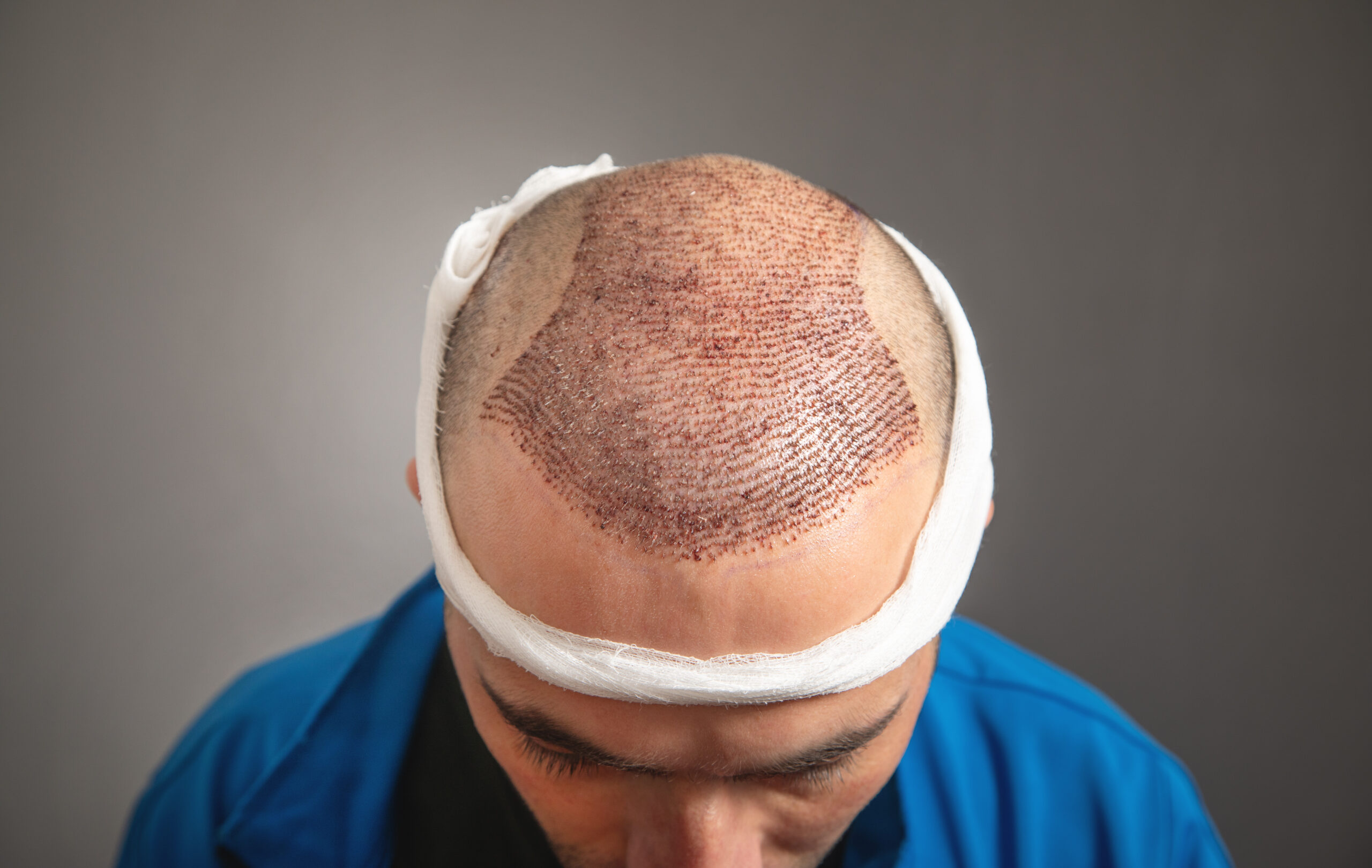
Tired of seeing hair fall out after your long-awaited hair transplant? Worried that the procedure didn’t work?
Don’t panic. Shedding after a hair transplant is completely normal—and actually a sign that your new hair is about to grow in healthier and stronger.
At Kosmoderma Skin, Hair, and Body Clinics, we specialize in advanced hair restoration treatments designed to give you natural-looking, long-lasting results. In this article, we’ll break down why shedding happens, what to expect, and what you can do to ensure the best results.
Understanding Hair Growth Cycles
To fully grasp why shedding happens after a hair transplant, it’s important to understand the natural hair growth cycle. Hair grows in three main phases:
- Anagen (Growth Phase) – This is the active phase where hair follicles produce new strands. It typically lasts between 2–7 years.
- Catagen (Transition Phase) – This short-lived phase (around 2–3 weeks) signals the end of active growth.
- Telogen (Resting Phase) – During this phase, old hair is shed to make way for new growth. It lasts around 3–4 months.
When a hair transplant is performed, many of the transplanted follicles enter the telogen phase early due to the stress of the procedure, leading to shedding.
Why Does Shedding Happen After a Hair Transplant?
This shedding process is called shock loss, and it happens because the hair follicles go through a natural cycle. The transplant procedure temporarily disrupts the normal hair growth phase, causing the existing hair shafts to fall out before the new hair begins to grow. This is completely normal and an expected part of the process.
When Does Shedding Start and How Long Does It Last?
- Shedding typically begins 7–14 days after your procedure.
- It can last up to 6 weeks as your scalp heals.
- Around 3–4 months’ post-transplant, new hair starts growing in.
- Full results become visible within 9–12 months.
Factors That Influence Shedding
The amount and duration of shedding can vary from person to person. Several factors influence how much shedding occurs after a hair transplant:
- Technique Used: FUE (Follicular Unit Extraction) and FUT (Follicular Unit Transplantation) can both result in shedding, but FUE tends to have a quicker recovery time.
- Scalp Health: A healthy scalp promotes better hair retention and growth post-surgery.
- Post-Operative Care: Following your doctor’s guidelines can reduce excessive shedding.
- Genetics: Some people naturally experience more shock loss than others.
- Medications: Medications like finasteride and minoxidil can help retain hair and encourage new growth.
How Kosmoderma Ensures the Best Hair Transplant Results
At Kosmoderma Aesthetic Clinics, we use the latest technology and scientifically backed treatments to enhance hair transplant success. Our team of expert dermatologists and trichologists provides personalized treatment plans to ensure optimal hair regrowth.
What Can You Do to Support Healthy Hair Growth?
While shedding is inevitable, there are ways to optimize your recovery:
1) Follow Post-Op Instructions:
Your surgeon’s care plan is key to minimizing excessive shedding. This includes proper washing techniques, avoiding certain activities, and taking prescribed medications.
2) Be Gentle with Your Scalp:
- Avoid scratching or rubbing the treated area.
- Use mild shampoos recommended by your doctor.
- Do not expose your scalp to direct sunlight for extended periods.
3) Stay Consistent with Medications:
If prescribed finasteride (to reduce DHT and slow hair loss) or minoxidil (to encourage hair growth), use them as directed. These medications can help strengthen and maintain transplanted hair.
4) Eat a Nutrient-Rich Diet: A diet rich in vitamins and minerals is crucial for healthy hair growth. Key nutrients include:
- Biotin – Supports keratin production.
- Zinc – Helps repair hair follicles.
- Iron – Essential for hair growth.
- Protein – The building block of hair strands.
5) Stay Patient:
It takes time! Trust the process and focus on long-term results. Hair regrowth is a gradual process, and most patients see significant improvements after 9–12 months.
When Should You Be Concerned?
In most cases, shedding is temporary. However, if you notice excessive redness, prolonged swelling, or no signs of new hair growth after 6 months, consult your hair restoration specialist. Other warning signs include:
- Persistent itching and discomfort.
- Large bald patches forming instead of even shedding.
- Thick crusting or infection signs.
Myths and Misconceptions About Shedding After a Hair Transplant
- Myth #1: Shedding Means the Transplant Failed:
This is one of the biggest misconceptions. Shedding does not mean the procedure was unsuccessful. It is simply part of the hair cycle. - Myth #2: You Will Lose All Your Transplanted Hair:
Not true! You may shed a significant portion of the transplanted hair initially, but the follicles remain intact and will start producing new, healthy hair over time. - Myth #3: Hair Loss After Transplant Is Permanent:
Shedding is temporary, and new hair will grow back thicker and stronger. The only permanent hair loss occurs if there are underlying conditions like androgenetic alopecia (male or female pattern baldness) that are not managed properly.
Why Choose Kosmoderma for Your Hair Transplant?
At Kosmoderma Skin, Hair, and Body Clinics, we are dedicated to providing cutting-edge hair restoration treatments with proven results. Our team of specialists ensures that every patient receives a customized approach tailored to their needs, helping them achieve their desired hair transformation.
Final Thoughts: Trust the Process!
Shedding after a hair transplant is temporary and completely normal. Your new hair is on its way—it just takes time! Stick to the recommended aftercare, maintain a healthy lifestyle, and trust the process. Before you know it, your patience will be rewarded with thicker, fuller hair.
Want Expert Advice on Hair Transplants?
Understanding Normal vs. Abnormal Hair Shedding After Transplant
The hair transplant shedding phase is a natural part of the recovery process and should not alarm you. Typically, hair shedding after a hair transplant begins around the second week and can last up to six weeks. This phase—often referred to as “shock loss”—is your body’s way of resetting the hair cycle. It simply means the follicles are entering a resting phase before new growth begins.
However, it’s essential to know the difference between normal and abnormal shedding after a hair transplant. Normal shedding is even and temporary, followed by visible signs of new growth in 3–4 months. But if you experience prolonged redness, patchy bald spots, thick crusting, or zero regrowth after six months, it may signal an underlying issue needing professional evaluation.
Hair Growth Timeline After Transplant: What to Expect
Weeks 1–2: Shedding phase begins.
- Months 3–4: New hair starts to grow.
- Months 6–9: Noticeable density improves.
- Months 9–12: Full results become visible.
Patience and proper care are key. At Kosmoderma, our experts guide you through each step to ensure your journey from shedding to regrowth is smooth and successful. Trust the process—your best hair is yet to come.
FAQ’s