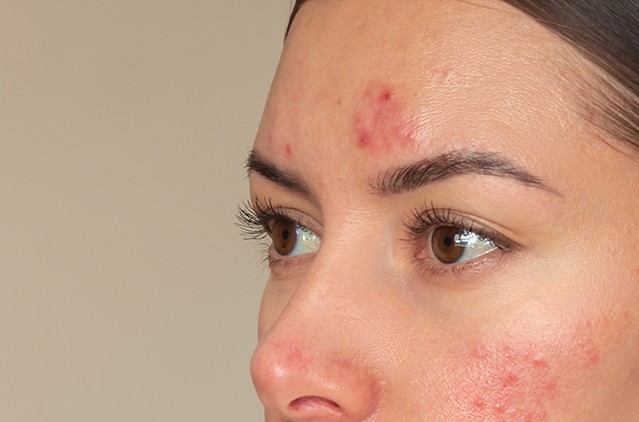
Curious About Phenol Peels? Here’s What You Need to Know!Phenol peels are one of the most powerful chemical peels out there, but with great power comes great responsibility. While they promise amazing results for deep skin issues like scars, sun damage, and wrinkles, many wonder: Are they dangerous? Let’s break it down, and hear what dermatologists say about this intense treatment’s risks and rewards.
What Is a Phenol Peel?
Before we determine whether phenol peels are safe, let’s first understand what they are. A phenol peel is a type of deep chemical peel that uses phenol (a strong acid) to treat severe skin imperfections, including deep wrinkles, age spots, and scarring. Unlike lighter peels, phenol peels penetrate deeper layers of the skin, making them effective for more serious skin concerns. The result? Smoother, younger-looking skin that can last for years.
How Does a Phenol Peel Work?
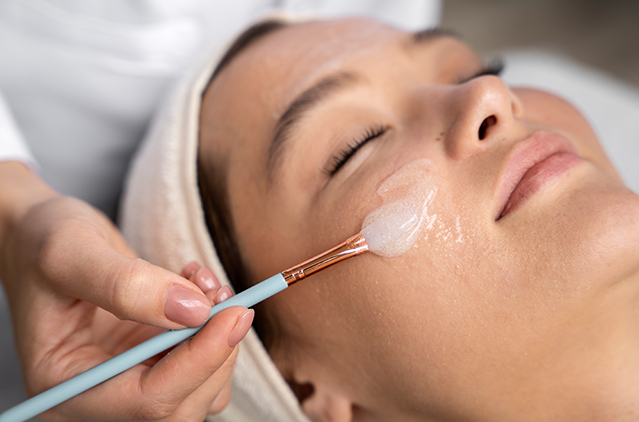
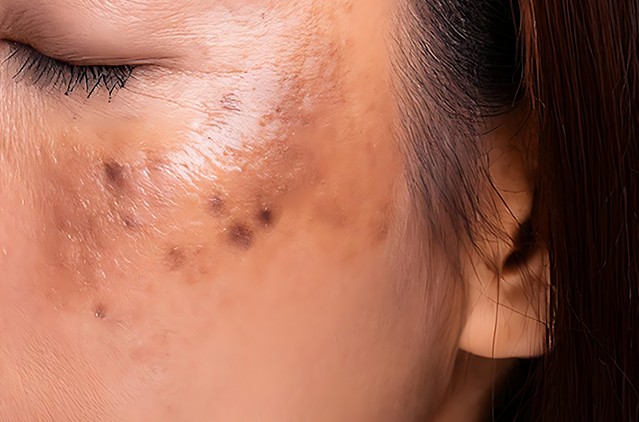
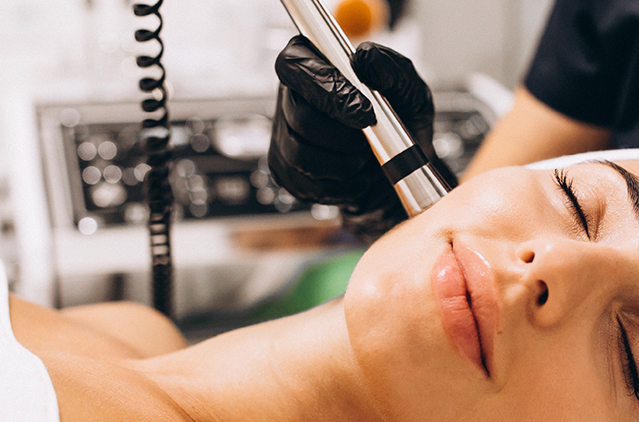
During a phenol peel, the phenol solution is applied to the skin, which causes the outer layer to exfoliate. As the skin heals, new, fresh skin forms. This treatment is particularly useful for deep wrinkles or pigmentation that other, milder chemical peels can’t address.
However, phenol’s deep penetration means it carries a higher risk of side effects, especially if it is not applied correctly.
Is a Phenol Peel Dangerous? Dermatologists Weigh In
Now, let’s tackle the big question: Are phenol peels dangerous? Dermatologists agree that phenol peels can be safe if performed by an experienced professional in a controlled environment, but there are some important considerations:
- Risk of Scarring: Because phenol peels penetrate deeply into the skin, there’s a risk of scarring if not done properly.
- Potential for Skin Sensitivity: The deeper layers of your skin are affected, which can lead to increased sensitivity, especially to the sun.
- Chemical Burns: If the phenol solution is left on too long or in too high a concentration, it can cause chemical burns. This is why it’s crucial to have the procedure done by a certified and skilled dermatologist.
- Uneven Results: In rare cases, phenol peels can cause uneven skin tone or texture. A dermatologist will make sure the peel is evenly applied, but it’s always a risk.
Despite these risks, dermatologists emphasize that phenol peels are generally safe when performed correctly and can offer long-term benefits for individuals with severe skin concerns.
Who Should Avoid Phenol Peels?
Phenol peels aren’t suitable for everyone. Here are a few people who should avoid them:
- People with Dark Skin Tones: Phenol peels can cause pigmentation changes, especially for individuals with darker skin tones.
- Pregnant or Nursing Women: Phenol peels should be avoided during pregnancy due to the risks associated with chemical exposure.
- Those with Sensitive Skin: If your skin is already sensitive or prone to irritation, a gentler peel might be better for you.
- People with Heart Conditions: Since phenol is absorbed into the bloodstream, it’s crucial to inform your dermatologist if you have any heart conditions, as phenol can affect the heart.
How to Minimize Risks
If you’re still interested in getting a phenol peel, here are a few tips to minimize potential risks:
- Choose a Qualified Dermatologist: Only a board-certified dermatologist should perform a phenol peel. They’ll have the expertise to minimize risks and ensure a safe procedure.
- Follow Post-Treatment Care Instructions: After the peel, you’ll need to take care of your skin by moisturizing, using sunscreen, and avoiding sun exposure. A good skincare routine after the treatment will help speed up healing and reduce complications.
- Consider a Patch Test: If you’re worried about side effects, ask your dermatologist to do a patch test first to see how your skin reacts.
What Are the Benefits of a Phenol Peel?
Despite the risks, many individuals opt for phenol peels because of their amazing results. Here’s why:
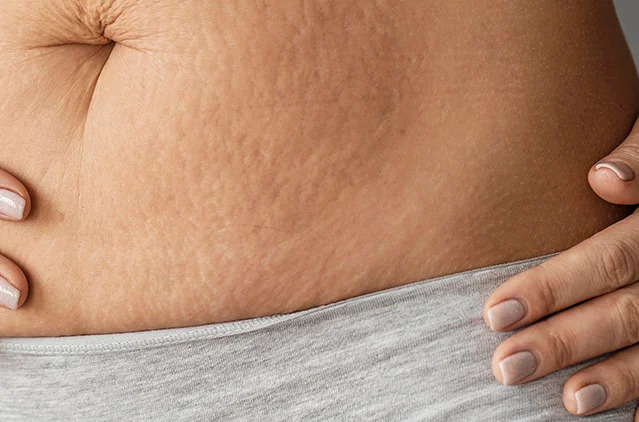
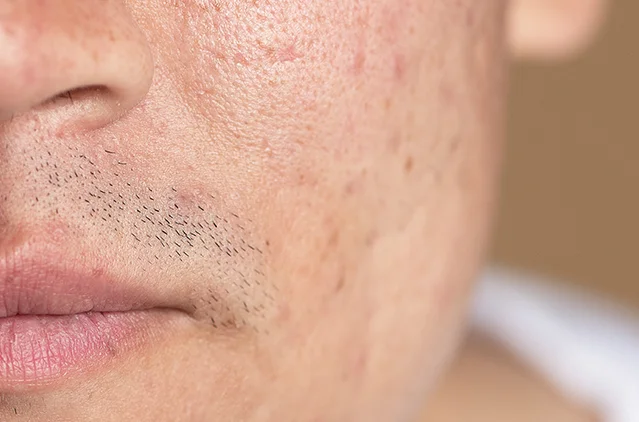
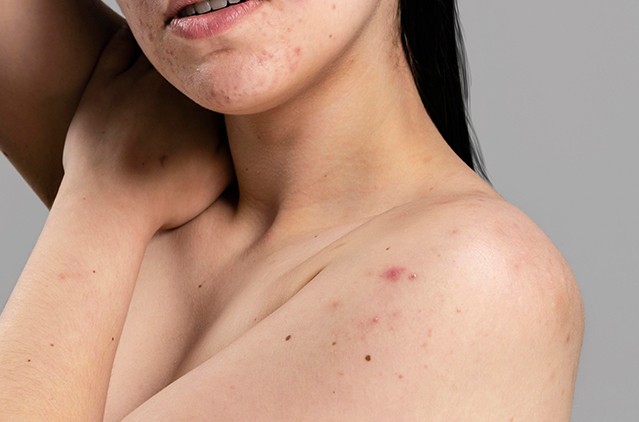
- Dramatic Skin Improvement: Phenol peels can reduce deep wrinkles, pigmentation, and even scars from acne or trauma. This makes them ideal for people looking for long-lasting results from a single treatment.
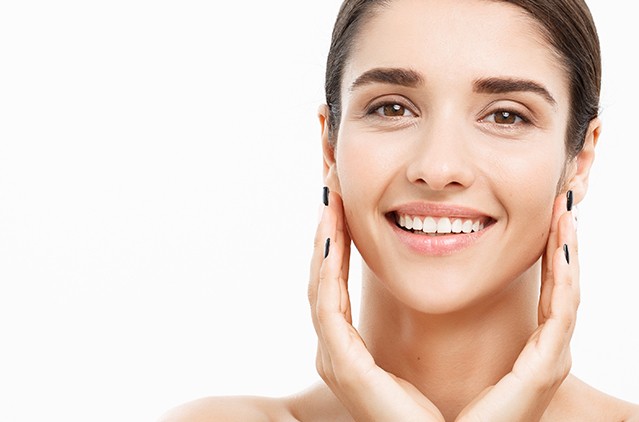
- Youthful Glow: After the skin heals, you’ll notice a smoother, fresher appearance that makes you look years younger.
- Few Treatments Needed: While lighter peels may require multiple sessions, a phenol peel usually requires just one treatment, making it a more time-efficient option.
Final Thoughts: Should You Get a Phenol Peel?
Phenol peels are powerful and can deliver incredible results, but they come with risks that need to be carefully considered. If you’re dealing with severe skin issues and have exhausted other treatments, a phenol peel might be the right option for you. However, it’s essential to consult with a skilled dermatologist to assess your skin type, medical history, and overall suitability for this treatment.
Thinking about a phenol peel to treat your skin concerns? Schedule a free consultation with the expert team at Kosmodermato determine if this treatment is right for you. We’ll guide you through the process, ensuring your safety and satisfaction.
Frequently Asked Questions