
Introduction
Stretch marks—we all know them, and most of us wish we didn’t. These stubborn lines, caused by rapid skin stretching, can affect confidence and are notoriously hard to treat. Enter Fraxel laser technology: a revolutionary solution that promises to minimize stretch marks and improve skin texture. But how effective is it, and what risks should you consider?
In this blog, we’ll explore how Fraxel works on stretch marks, its effectiveness, and the potential risks involved, helping you make an informed decision.
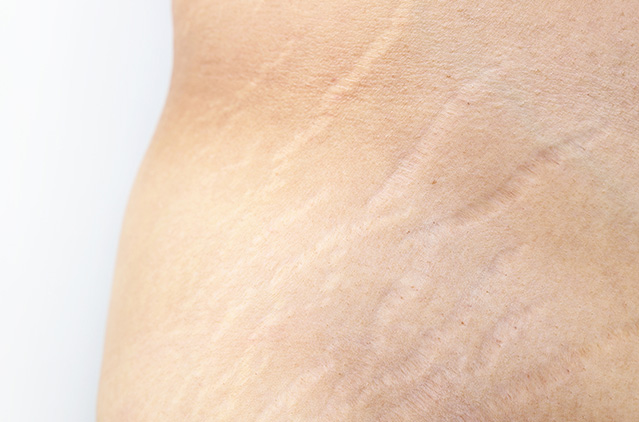
Stretch marks, medically known as striae, are a type of scarring that occurs when the skin is stretched rapidly, such as during pregnancy, puberty, or significant weight changes. These marks often appear on the abdomen, thighs, hips, and arms, varying in color from red and purple to white or silver as they age.
They occur when the dermis (the middle layer of skin) tears, allowing deeper layers to show through. While harmless, many people seek treatments to reduce their appearance for cosmetic reasons.
Fraxel laser technology is approved by the U.S. Food and Drug Administration (FDA) for addressing various skin conditions such as wrinkles, sun damage, and stretch marks. This approval ensures that the treatment has met stringent safety and efficacy standards, making it a reliable option for improving skin texture and minimizing the appearance of stretch marks.
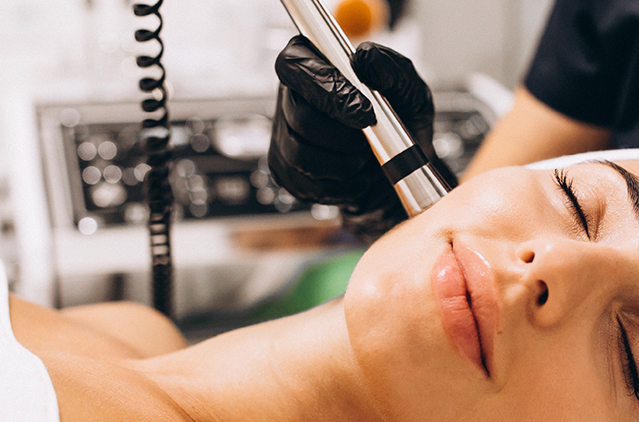
The Fraxel laser works by creating micro-injuries in the skin, triggering the body’s natural healing process. This stimulates collagen production, which enhances skin texture and appearance, effectively reducing the visibility of stretch marks, even in men.
The laser energy penetrates deeply into targeted skin layers, focusing on specific areas while preserving the surrounding tissue. This precise method minimizes surface damage, ensuring a more controlled and efficient treatment process.
Early-Stage Stretch Marks: Fraxel is most effective on newer, red, or purple stretch marks. These marks respond better due to active blood flow and collagen activity.
Older Stretch Marks: White or silver marks are harder to treat but can still show improvement with multiple sessions.
Realistic Expectations: While Fraxel significantly reduces the visibility of stretch marks, it does not eliminate them. Most patients see a 50-70% improvement after a series of sessions.
As with any cosmetic procedure, laser treatments like Fraxel carry certain risks. It’s crucial to be informed and choose a qualified provider to minimize these risks.
At Kosmoderma Skin, Hair, and Body Care Clinics, we pride ourselves on offering world-class laser treatments tailored to individual needs. Here’s why you should trust us:
Fraxel laser treatment can be a highly effective solution for reducing the appearance of stretch marks, particularly when used for newer, more prominent marks. While it won’t completely erase stretch marks, it can improve skin texture and make scars less noticeable. With the right expectations and a professional approach, Fraxel can help you regain smoother, more even-toned skin.
Ready to take the first step toward smoother, more confident skin? Schedule a free consultation at Kosmoderma today. Our experts will assess your stretch marks and recommend a personalized treatment plan that works best for you.
Typically, patients need 4-6 sessions to see significant improvement in the appearance of stretch marks. These sessions are spaced 2-4 weeks apart, depending on the severity of the stretch marks and the individual’s skin response.
While most patients report minimal discomfort during the procedure, a topical numbing cream is applied to the treatment area beforehand to ensure your comfort. Afterward, you may experience a sunburn-like sensation, which generally fades within a few hours to a couple of days.
Fraxel is effective for most skin types, but individuals with darker skin tones may be at a higher risk of pigmentation changes. It’s essential to consult with a specialist to discuss your skin type and any precautions needed for safe treatment.
Results can be seen after a few weeks, as the body starts to repair the skin and produce collagen. However, optimal results typically take a few months to become fully visible.
The most common side effects include redness, swelling, and mild discomfort. These effects are temporary and usually resolve within a few days. More serious risks, such as infection or scarring, are rare but can be minimized with proper post-treatment care.