Radiant, glowing skin that is evenly toned is a desire that every individual has. Numerous skin-lightening and de-tanners provide efficient remedies for sun damage, pigmentation, and uneven skin tone. We examine the top professional and at-home procedures in this comprehensive article that will help you attain radiant, glowing skin.
Understanding Tanning
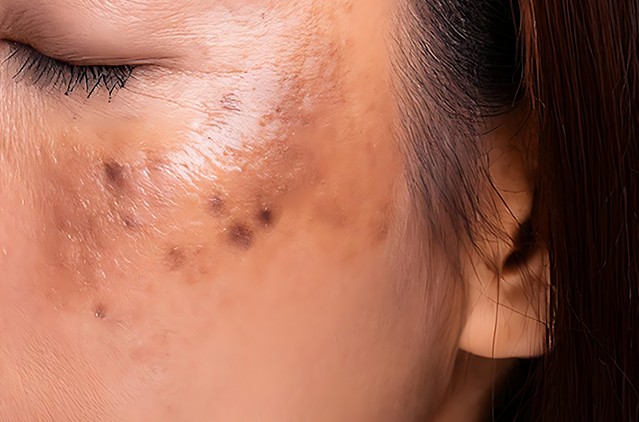
Tanning happens when your body is exposed to excessive and extreme sunlight. The face, neck, back and legs are the most commonly tanned parts. This happens due to an excessive production of melanin, the colouring pigment of the skin.
What Is De-Tanning And Skin-Lightening?
De-tanning and skin-lightening are procedures that are done to lessen melanin synthesis, lighten pigmentation, and bring back the skin’s natural brightness. These procedures are done professionally by qualified dermatologists and cosmetologists. There are also alternative methods of tan removal that can be done at home.
Professional De-Tan And Skin Lightening Treatments
- Chemical Peels
A chemical peel is a cosmetic procedure where the outermost layers of skin are removed using a chemical solution. The acid in the solution causes sloughing of the skin by penetrating the epidermis, the top layer of your skin and the dermis, the layer beneath the epidermis. As soon as a wound appears, our body’s natural defence mechanism takes over, allowing the skin to heal itself leaving behind fresh, glowing skin.
- Laser Therapy
Laser therapy consists of targeting the tanned area with high-frequency laser beams. These beams penetrate the skin and break down the melanin pigments, thus reducing the darkened appearance. They also stimulate the production of new, healthy cells in the treatment area. This helps to smoothen out the appearance and gives an even tone. The laser beams also trigger the synthesis of collagen which results in smooth, supple skin.
- Microdermabrasion
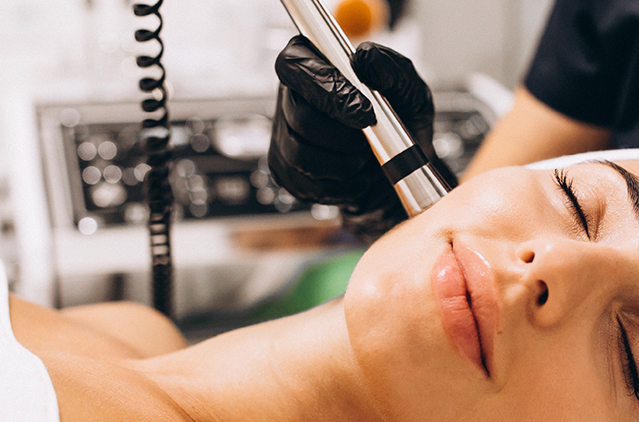
This is a procedure where the outer layer of skin is removed by a machine during the mechanical exfoliation process. It works well for de-tanning and skin-lightening as well as healing scars from acne and fine lines and wrinkles. The process promotes the creation of collagen, which helps one look younger.
- Fractional Laser Therapy
Here the laser beams are delivered to the target area in microscopic columns. This creates controlled skin damage which triggers the body’s natural healing mechanism. The new cells and collagen produced as a result, ensure that the skin tone smoothens out and the skin becomes smooth and supple.
Alternative Remedies For De-Tanning And Skin-Brightening
- Sunscreen
Applying a broad-spectrum sunscreen with an SPF of 30 or higher every day is crucial to shielding the skin from UV radiation and preventing more sun damage. By keeping pigmentation from returning, sunscreen helps preserve the effects of skin-lightening and de-tan procedures.
- Topical Treatments
Hydroquinone, kojic acid, vitamin C, and niacinamide are among the components found in over-the-counter lotions and serums that can help lighten pigmentation and even out skin tone. Using these products regularly helps preserve benefits and enhance professional treatments.
- Exfoliating Scrubs
Brighter, smoother skin can be revealed by using mild exfoliating scrubs with substances like sugar, rice powder, or fruit enzymes to help slough off dead skin cells. Frequent exfoliation encourages cell turnover and makes other skincare products work better.
- Face Masks
Brightening masks, whether store-bought or homemade, that contain papaya enzymes, yoghurt, or turmeric can help lighten pigmentation and brighten the skin. These masks offer the skin a revitalising therapy that encourages a more balanced complexion.
- Home Remedies
Aloe vera, lemon juice, and liquorice extract are examples of natural ingredients with skin-lightening qualities that can be utilised to make at-home masks or spot treatments. Natural treatments can support professional treatments and improve overall skin health.
Can Skin Lightening Be Permanent?
By focusing on pigmentation and lowering melanin production, skin-lightening treatments can produce long-lasting effects. Nevertheless, regular skincare routines, sun protection, and maintenance procedures are necessary to keep these effects. Long-lasting effects may be obtained by laser therapy or chemical peels, although skin pigmentation can also be affected over time by ageing, sun exposure, and hormonal changes. A dermatologist or skin care specialist should be consulted to create a customised treatment plan and establish reasonable expectations for attaining and sustaining long-lasting skin-lightening effects.
Is Skin-Whitening Treatment Safe?
When performed by licensed dermatologists for skin care specialists using FDA-approved materials and equipment, skin whitening procedures can be safe. However, there are possible side effects from some treatments, like skin irritation, hyperpigmentation, or allergic responses. Examples of these include chemical peels and laser therapy. To reduce risks and maximise safety, it is crucial to get a full consultation, divulge any medical history or allergies, and carefully adhere to post-treatment recommendations. Skin whitening procedures can also be made safer and more successful by selecting reliable facilities and following advised treatment methods.
How Can I Lighten My Skin Fast?
A mix of expert treatments and regular skincare routines is needed to lighten skin quickly. Professional procedures that assist in decreasing pigmentation and encourage skin renewal include chemical peels, laser therapy, and microdermabrasion. Moreover, skin tone can be evened out and dark spots lightened by applying topical treatments such as hydroquinone, kojic acid, or vitamin C. Maintaining results also requires regular sun protection, hydration, and exfoliation. However, to create a safe and efficient treatment plan specific to your skin type and issues, you must speak with a dermatologist or skincare expert.
Does Detan Lighten Skin?
Yes, by lessening the appearance of tanning and sun-induced pigmentation, de-tanning treatments can aid in skin lightening. To encourage skin renewal and lighten dark spots, de-tanning treatments usually include exfoliation and the use of substances like AHAs, BHAs, or vitamin C. Furthermore, expert procedures like chemical peels or microdermabrasion can efficiently exfoliate dead skin cells to expose skin that is more evenly toned and brighter underneath. To preserve and optimise the effects of de-tanning treatments, however, and to guarantee a lighter, more radiant complexion over time, regular sun protection and skincare routines are necessary.
De-tan and skin-lightening treatments provide efficient solutions for pigmentation, UV damage, and uneven skin tone. A range of alternatives are available to meet varied needs and preferences, from professional treatments like chemical peels and laser therapy to at-home cures like topical lotions and exfoliating scrubs. By prioritising skin health, seeking advice from skincare experts, and implementing an all-encompassing skincare regimen, people can attain their ideal complexion and confidently accept their inherent beauty.
How Quickly Can I See Results from De-Tan Treatments?
The results of a de-tan treatment depend on several factors such as the depth of tan, skin type, and the method used. Professional sun tan removal treatments like chemical peels and laser therapy may show visible improvements within the first few sessions. However, subtle changes such as reduced pigmentation and a brighter tone can be noticed even after a single session.
Body De‑Tan Treatment Tips for Arms & Legs
When it comes to body de-tan treatment, the arms and legs often bear the brunt of sun exposure. Regular exfoliation using mild scrubs, followed by the application of brightening agents like vitamin C or kojic acid, can help. For quicker results, opt for professional services like microdermabrasion or body peels. Always apply a broad-spectrum sunscreen post-treatment to maintain the even tone and prevent further tanning.
Why Choose Kosmoderma for Your De-Tan Treatment & Sun Tan Removal?
Kosmoderma combines expert dermatological care with advanced, evidence-based solutions for the de-tan therapy. Their FDA-approved technology, customised skin assessments, and post-care guidance ensure safe and effective outcomes. Whether you seek targeted facial de-tan treatment or full body de-tan treatment, Kosmoderma’s specialists offer a personalised approach to restore your natural glow and even skin tone.
FAQs