Chemical Peeling is an All-Inclusive Skin Solution
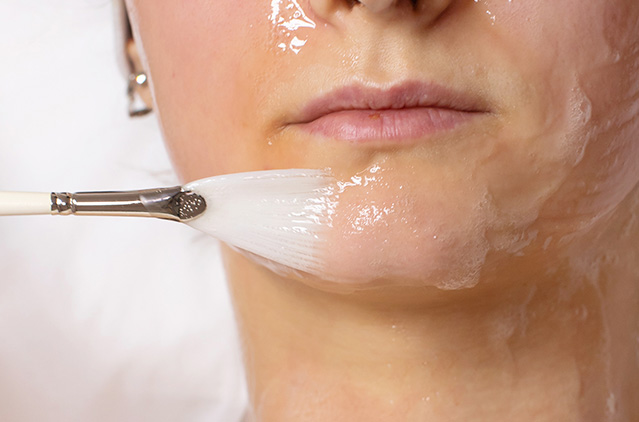
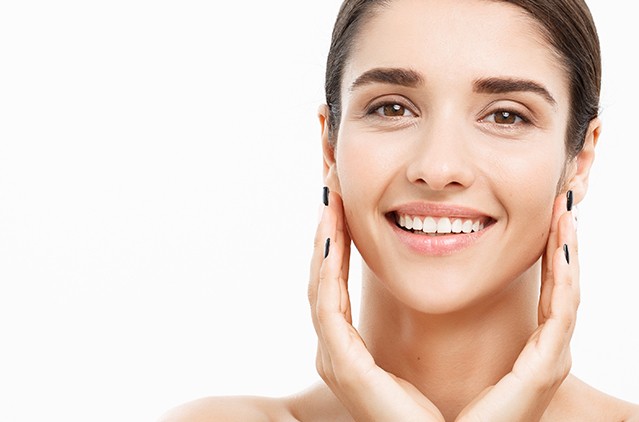
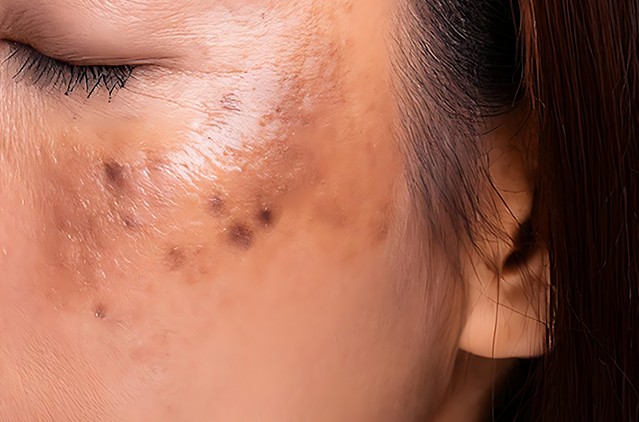
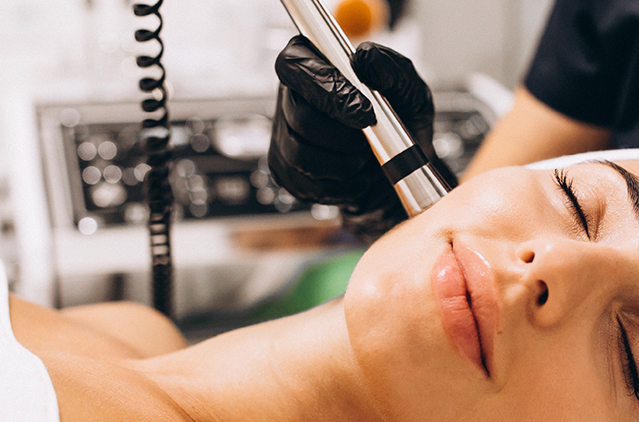
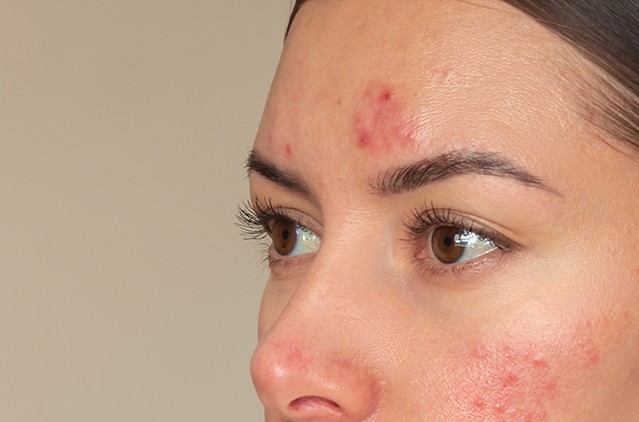
Chemical peels help to address an array of skin concerns. Be it sun tan, photo-damaged skin, acne, or pigmented skin, these aesthetic procedures treat them all seamlessly. They serve as a comprehensive skincare treatment for those seeking the overall rejuvenation of their skin. From delaying the aging process to improving your skin texture to reducing acne to promoting cell turnover, chemical peels are your one-stop solution to make your skin shine.
However, there are many myths surrounding chemical peel treatment. That’s why some people are wary of this treatment. Well, we are attempting to debunk the varied myths about chemical peels herein.
Debunking The Different Myths About Chemical Peeling
Chemical peeling is safe and does not give rise to any permanent skin damage. Here, we bust some myths about chemical peel treatment and reveal how it benefits the skin:
#Myth 1: Chemical Peels Are Not For Summertime
That’s not true! Chemical peels vary in depth and intensity. You can opt for superficial peels throughout the year. Only make sure to apply sunscreen with SPF 50 or more and take all the given after-treatment precautions your doctor prescribes to be on the safer side.
#Myth 2: All Chemical Peels Are Similar
Wrong again! Chemical peels are classified into three categories: light or superficial peels, medium peels, or deep peels. Your provider will study your skin condition before charting out a personalized chemical peeling procedure for you. Light peels can be performed after every few weeks while medium peels are performed less regularly. Conversely, one deep peel session is all your skin needs for its overall refreshment. Nonetheless, your practitioner will recommend maintenance sessions based on your skin condition.
#Myth 3: Chemical Peels Involve Long Downtime
So untrue! Not all peels have long downtime. It all depends on the peel you have had. Glycolic acids and alpha-hydroxy acids come with the benefits of minimal downtime. Only deep peels use TCA, which can cause redness and peeling during the recovery period. Nevertheless, the range of skin-related benefits that chemical peels have to offer makes it all worthwhile.
#Myth 4: Chemical Peels Cause Pain
Not at all. There’s not much pain involved with chemical peeling. Peels may cause only mild stinging or tingling sensations, which alleviate within a few days.
#Myth 5: Chemical Peels Are Beneficial For Only Those With Skin Problems
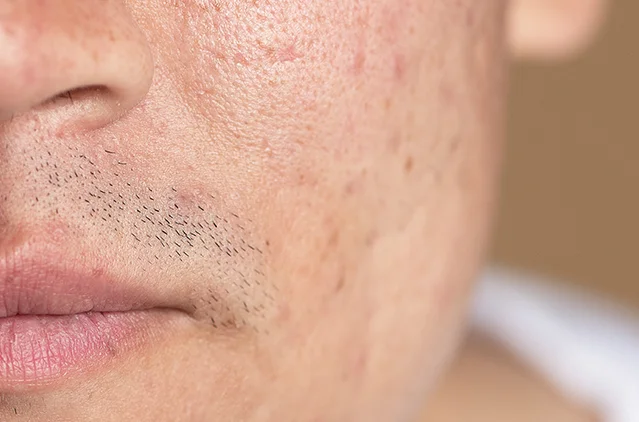
NO. Well, there’s no disputing the fact that chemical peels help to treat an assortment of skin disorders. Pigmentation, acne scars, and superficial fine lines and wrinkles are treatable with chemical peeling. All the same, you can opt for chemical peel treatment also when you want to rejuvenate your skin. At Kosmoderma, we tailor our chemical peeling procedures depending on your skin type, treatment goals, and requirements.
#Myth 6: Sensitive Skin Types Should Avoid Chemical Peels
Completely False! Many chemical peels are specially formulated for people with rosacea-prone and sensitive skin types. They contain active ingredients that help to alleviate the inflammatory symptoms of sensitive skin while improving the overall health of capillary walls.
#Myth 7: One Chemical Peel Session Will Treat My Skin Problems
Nope. You will be required to sit through a series of sessions for optimal results. No doubt, your skin condition improves after 3 to 4 sessions. Let your dermatologist determine the number of sessions you need after a detailed skin assessment.
#Myth 8: Chemical Peels Cause Severe Peeling
No No. You will notice your skin peeling for only a few days after the procedure, although there’s nothing to worry about. It’s part of the recovery process. Only use the ointments prescribed by your dermatologist for the best results.
#Myth 9: Chemical Peeling Causes Irreparable Skin Damage
Far from the truth again! Chemical peels are mostly safe and there have not been any reports of permanent skin damage. Nonetheless, you must approach only licensed professionals for these procedures. Dryness, redness, and skin sensitivity are some mild side effects of chemical peels which subside soon enough.
Numerous Reasons To Choose Kosmoderma for Chemical Peeling
- We have one-to-one consultations with our patients to assess their treatment goals and skin type before providing the best recommendations to boost their skin health.
- We prioritize patient safety by providing a sanitized environment, deploying disinfected tools, and imparting specialized care.
- We follow internationally certified skincare techniques and our team of cosmetologists/dermatologists works with precision, delivering results exceeding your expectations.
- Our clientele of more than 1 lakh+ customers swear by our treatments and their exceptional results, assuring you of our expertise in skincare practices.
- We tailor our treatment plans to meet your skincare requirements, leaving you with your dream complexion.
Taking the first step to refresh your skin!
Your search for a safe and effective complexion correction procedure ends with chemical peel treatment. Speak to our skin professionals to book your free consultation and start the skin revitalization process to feel youthful again.
FAQs