Consider Chemical Peels for Your Acne Issues
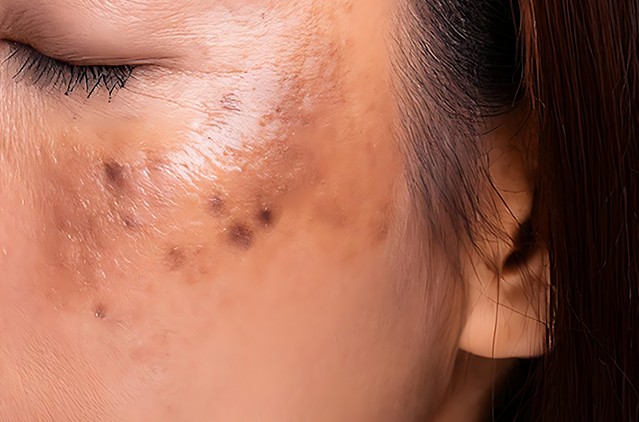
As we age, our skin’s glow tends to fade away. Yes, the aging process is marked by various signs, including fine lines, dark spots, saggy skin, and wrinkles. Among other various skin concerns are pigmentation and acne scars. Now, having to deal with all these skin issues can plunge you into depression.
Well, in our quest for a spotless complexion, we learn about a range of skincare treatments, each promising transformative results. Chemical peel therapy is one such treatment that is recommended for your overall skin rejuvenation. But, are you a suitable candidate for this treatment? Moreover, does it combat acne and other skin concerns effectively?
Let’s delve into the realm of chemical peels and discover their array of benefits.
Flaunt a Clear Complexion With Chemical Peels
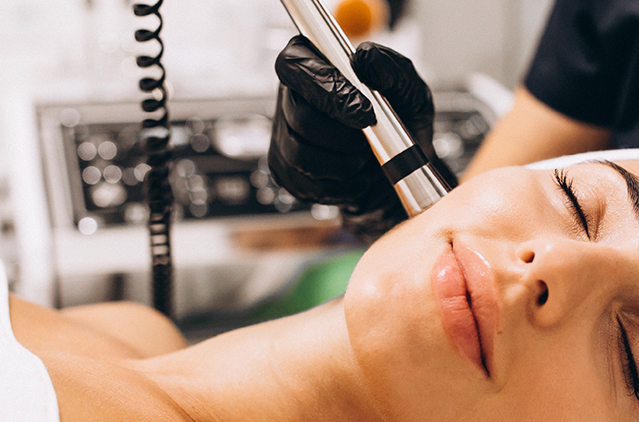
Chemical peel treatment involves applying chemicals to the skin, particularly on the face. This results in controlled epidermal damage and does not affect the dermis layer. The measured damage promotes the skin regeneration process, improving your overall appearance.
Also, this cosmetic treatment has a gentle exfoliating action, which helps to shed the superficial layers of the skin and reveal a refined layer underneath.
Chemical peels also address a host of skin issues. These include superficial fine lines and wrinkles, skin dullness, sun damage, acne spots, hyperpigmentation, and an uneven skin tone.
Plus, chemical peel treatments are classified on the basis of their depth. These include deep peels, medium peels, and superficial peels. Going by your skin type and condition, your provider will determine the best chemical peel treatment for you.
Explaining the Different Chemical Peels
As part of chemical peel treatments, your provider will smear a chemical solution on your skin. Lactic acid, salicylic acid, and glycolic acid are among such chemicals. These solutions facilitate the breakdown of the layer of dead skin cells and its eventual peeling off.
More so, the skin’s healing process is marked by cellular regeneration, revealing healthy and smooth skin. Also, peels vary in depth and intensity:
- Superficial Peels: These lightweight peels work their magic on the superficial layer of the skin. They reduce skin discoloration while making you feel all refreshed.
- Medium Peels: Medium peels penetrate the skin to reach its middle layer. These treatments address skin problems of moderate degree, such as pigmentation, acne scars, and fine lines.
- Deep Peels: Deep peels are strong enough to infiltrate the skin’s deeper layers, involving longer recovery time. They are advised for those with severe skin discoloration, wrinkles, and deep scars.
Are Chemical Peels an Effective Solution for Acne Problems?
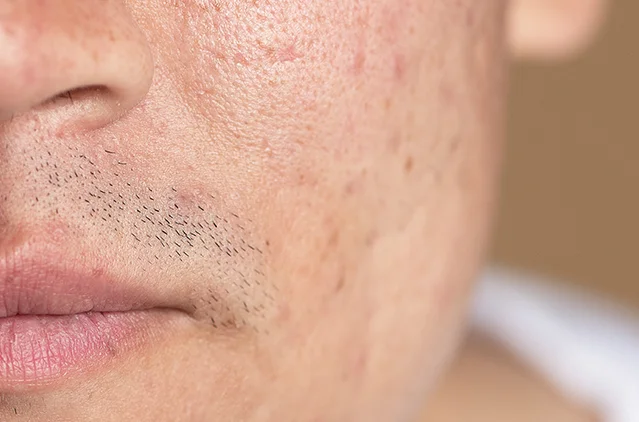
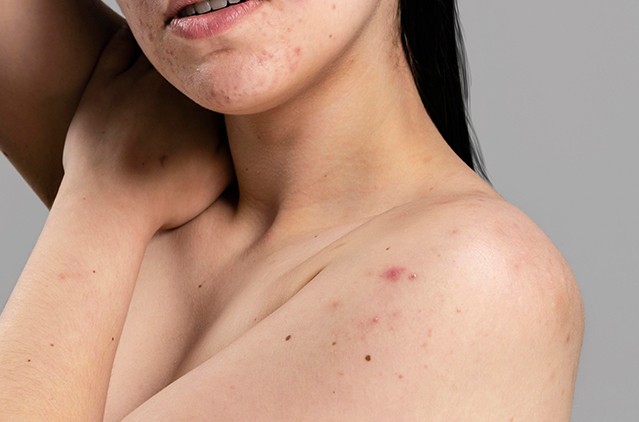
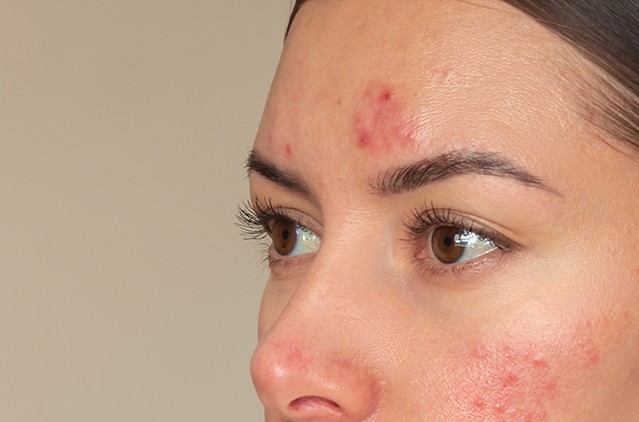
Your acne troubles can make your life go out of gear. However, you can opt for chemical peels to reduce acne breakouts. You can learn more about how they help to counter acne herein:
- Quickens the Skin Renewal Process: Chemical peels promote the skin renewal process. This improves your skin texture and unclogs your skin pores, which is key to winning the battle with acne.
- Decongests Pores: Their exfoliating action helps to get rid of the dead skin cells. With clearer pores, you have less to worry about the build-up of excess oils causing acne.
- Alleviates Inflammation: Acne is a sign that your skin is a bit inflamed. Chemical peels help to reduce redness and inflammation, which reduces your chances of acne breakouts.
- Lightens Acne Scars: Chemical peels lighten your acne scars by shedding the skin’s topmost layers, encouraging the production of new skin cells.
Chemical Peels for Acne Treatment
Among your options in chemical peels for acne are glycolic acid, salicylic acid, Trichloroacetic Acid (TCA), and lactic acid. Lactic acid is recommended for sensitive skin types because of its gentle action. Trichloroacetic Acid (TCA) helps to reduce the appearance of surface-level and medium-depth acne scars. Glycolic acid improves your skin texture and treats surface-level acne scars. Salicylic acid is advised for those with oily skin because it de-clogs the skin pores.
The Benefits of Chemical Peels Beyond Acne Treatment
Besides treating acne, chemical peels help to:
- Increase collagen production to improve the appearance of dark spots and other skin blemishes
- Make your skin soft and smooth by raising collagen and elastin levels within the body
- Impart a balanced skin tone by reducing pigmentation
- Minimize sun damage via cleansing, exfoliating, and moisturizing
- Achieve a translucent complexion by removing the skin’s top layers and improving skin health
Why Choose Kosmoderma for Your Overall Skin Revitalization?
- We are guided by a team of qualified and experienced aestheticians who have many years of clinical expertise in their respective fields.
- Our treatments feature medical-grade skincare products, sophisticated tools, and clinically proven techniques, delivering unmatched results.
- We are committed to patient safety; hence, we provide a safe, comfortable and sterilized environment.
Take the first step to acne-free skin!
Say goodbye to your acne problems by opting for Kosmoderma’s chemical peel treatments. Give us a call to book your free consultation and let us help you achieve your dream skin.
FAQs