Hair loss is distressing for most women, considering the potential effects it might have on self-esteem and confidence. The ultimate question always arises: Must hair loss be permanent, or is reversal an option? Let’s investigate causes, natural hair regrowth, and treatment options through stem cell therapy as possible long-term solutions.
What Causes Hair Loss in Women?
Hair loss in women can be caused by a multitude of factors, including genetics, hormonal imbalances, stress, nutritional deficiencies, and external factors like over-styling or chemical treatments. At Kosmoderma, our experienced dermatologists perform a detailed assessment to uncover the underlying cause of your hair loss, ensuring that we suggest the most suitable treatment tailored to your needs.
Types of Hair Loss in Women
Understanding the type of hair loss is key to finding the right treatment. Here are the common types of hair loss affecting women and their causes.
- Androgenetic Alopecia: Also known as female pattern baldness, this hereditary condition causes hair thinning, particularly at the crown of the scalp.
- Telogen Effluvium: Triggered by stress, pregnancy, or drastic lifestyle changes, this temporary condition leads to hair shedding but usually resolves over time.
- Alopecia Areata: An autoimmune condition where the immune system mistakenly attacks hair follicles, causing patches of hair loss.
- Traction Alopecia: Hair loss caused by tight hairstyles, excessive styling, or chemical treatments that damage the follicles.
Does Hair Loss in Women Mean Permanent Hair Loss?
Not all hair loss leads to permanent baldness—it largely depends on the cause. If you’re dealing with androgenetic alopecia, it may be progressive, leading to long-term thinning. However, other types, like telogen effluvium, are usually temporary.
- Temporary Hair Loss: In many cases, your hair loss can be reversed, especially when linked to lifestyle factors like stress or nutrition. Addressing the underlying cause can stop shedding and even encourage regrowth.
- Permanent Hair Loss: Conditions such as androgenetic alopecia may require treatment to slow or stop progression. Regrowth is possible with options like GFC, QR 678, PRP, or advanced treatments like stem cell therapy.
Natural Remedies to Regrow Hair After Baldness
If you’re experiencing thinning or mild baldness, natural remedies can support your hair regrowth journey. While these methods aren’t a quick fix, they can complement medical treatments and help slow hair loss.
- Nutritional Support
Adding foods rich in essential nutrients like iron, biotin, and zinc to your diet can play a vital role in promoting healthy hair growth and preventing excessive hair shedding.
- Biotin-rich foods: Eggs, almonds, spinach.
- Iron-packed foods: Beef, legumes like lentils, and dark leafy vegetables.
- Omega-3s: Salmon, walnuts, flaxseeds.
Essential oils like rosemary and peppermint oil are known to stimulate your hair follicles and encourage growth. Massaging these oils into your scalp boosts circulation, delivering vital nutrients to your hair roots.
Regular scalp massages can improve blood flow and strengthen your hair follicles. Using a gentle circular motion with your fingertips promotes circulation and supports healthy hair growth.
Engaging in activities such as yoga, meditation, and regular physical exercise is effective in managing stress, which may help you mitigate stress-induced hair shedding associated with telogen effluvium.
- Avoid Heat and Chemical Damage
Minimizing the use of heat styling tools, harsh chemicals, and tight hairstyles prevents further hair damage. Opting for sulfate-free shampoos and conditioners that hydrate and strengthen your hair is also crucial for maintaining a healthy scalp.
Advanced Treatments for Hair Loss in Women
If you’re seeking more advanced treatments beyond natural remedies and stem cell therapy, several medical options can help combat hair loss and even restore hair growth. Many of these treatments are FDA-approved for safety and effectiveness.
- Growth Factor Concentrate (GFC)
GFC therapy involves using a concentrated solution of growth factors derived from your own blood to rejuvenate and stimulate hair follicles. This treatment can enhance hair density and promote new hair growth by improving the overall health of your scalp. GFC therapy is FDA-approved for its use in promoting hair regrowth.
- QR678
QR 678 is a novel hair regrowth treatment that combines growth factors and peptides to stimulate hair follicles and improve hair density. It works by rejuvenating dormant follicles and enhancing overall scalp health, making it a promising option for women experiencing significant hair loss. QR 678 is FDA-approved for its safety and efficacy in treating hair loss.
- Platelet-rich plasma (PRP) Therapy
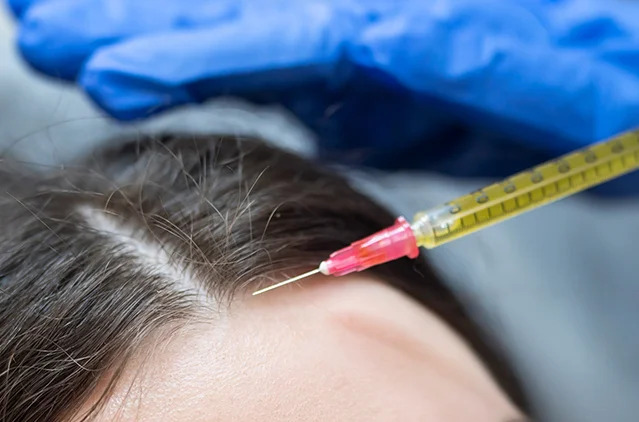
PRP therapy involves using your own blood, which is processed to isolate growth factors that are then injected into your scalp. These growth factors help stimulate your hair follicles and promote regrowth. It is a relatively non-invasive procedure and can offer significant improvement for women with thinning hair. PRP therapy is recognized by the FDA as a safe treatment option for addressing hair loss.
- Hair Transplant
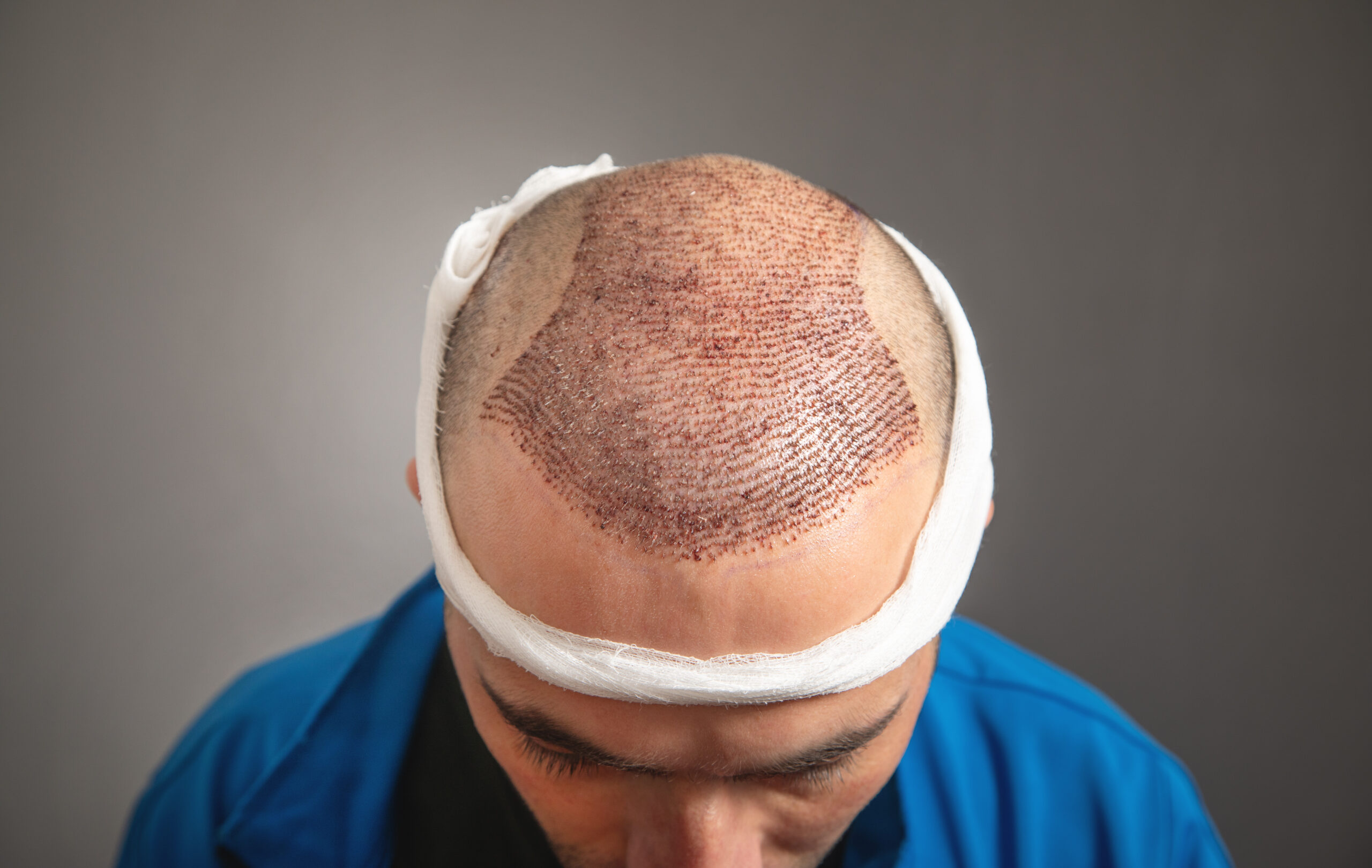
For women with more advanced hair loss, hair transplantation may be an option. This procedure involves moving hair follicles from one part of your scalp (usually the back) to the thinning or bald areas. While effective, it is a more invasive procedure and might not be suitable for all women. Hair transplantation techniques are FDA-approved and widely used.
Is Stem Cell Therapy for Hair Loss a Permanent Solution?
Stem cell therapy has gained popularity in recent years as a cutting-edge treatment for hair loss. But is it a permanent solution?
1) What is Stem Cell Therapy for Hair Loss?
Stem cell therapy involves the extraction and processing of stem cells from the patient’s own body (usually from fat tissues). Afterward, the cells are administered into regions experiencing hair thinning or balding to promote the development of new hair follicles and stimulate natural hair growth.
2) How Effective is Stem Cell Therapy?
Studies have shown promising results for stem cell therapy, particularly in treating conditions like androgenetic alopecia. It works by regenerating damaged hair follicles and stimulating the growth of new ones. However, the results may vary from person to person, and multiple sessions may be required to achieve optimal outcomes.
3) Is It a Permanent Procedure?
While stem cell therapy can lead to long-lasting results, it’s important to note that no treatment guarantees permanent hair regrowth. The longevity of the results depends on various factors such as the severity of hair loss, the patient’s age, and overall health. Maintenance treatments may be required in some cases to sustain the results.
4) Why Trust Kosmoderma with Your Hair Loss Concerns?
At Kosmoderma Skin, Hair, and Body Care, our goal is to provide personalized care tailored to each individual’s needs. We don’t just treat the symptoms of hair loss; we work with you to understand the underlying cause and deliver results that restore both your hair and confidence.
- FDA-approved Treatments: Our therapies are backed by rigorous scientific research and adhere to the highest safety standards.
- Experienced Dermatologists: Our treatments are conducted under the supervision of expert dermatologists who have years of experience in hair restoration.
- Proven Results: Kosmoderma is committed to delivering real, visible results. Whether you’re struggling with mild thinning or more advanced hair loss, we offer treatments that work.
Conclusion
While hair loss can be challenging, there are solutions available to help you regain your hair and confidence. At Kosmoderma, we offer a comprehensive range of treatments, from natural remedies and nutritional advice to advanced solutions like GFC, QR678, hair transplant, PRP, and stem cell therapy. Our expert team is here to support you at every stage of your hair restoration process, ensuring you achieve the best possible results.
For women looking to restore their hair, Kosmoderma is your trusted partner in delivering long-lasting, effective solutions.