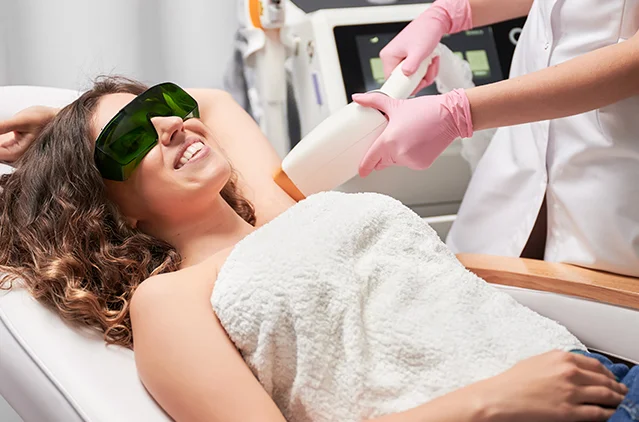
Just finished your laser hair removal session?
Say hello to HAIR-FREE skin! But before you toss your razor for good, there’s one more thing to keep in mind—aftercare. It’s not just a bonus step; it’s what makes all the difference between “pretty good” results and “wow, this is amazing.”
So what should you do now?
Keep it simple. Be kind to your skin. Skip the hot showers, sweaty workouts, and sunbathing for a few days. Harsh scrubs and strong skincare? Not your friends right now. Instead, reach for a soothing, fragrance-free moisturizer, wear loose clothes, and if your skin feels warm or irritated, a cold compress works wonders.
These little things go a long way in helping your skin recover and glow just the way you want it to. Trust the process—and treat your skin like the queen (or king!) it is.
Why Proper Aftercare Matters
The success of your laser hair removal depends as much on what happens after your appointment as the treatment itself. Following the right protocol can reduce side effects, enhance results, and ensure your skin heals properly, giving you that flawless, hair-free finish you’re looking for.
Laser hair removal works best for areas like:
- Face
- Chest
- Underarms
- Back
- Bikini area
- Legs
Earlier, lasers worked well only for people with light skin and dark hair. But now, thanks to new technology (like long-pulsed lasers), even people with dusky or darker skin tones can get great results.
Don’t worry—your doctor will check your skin type, hair colour, and hair thickness to choose the best laser for you.
Post-LHR Do’s: Essential Aftercare Practices
Your skin needs cooling relief. After laser hair removal, your skin is likely to feel warm, similar to a mild sunburn. Apply cold compresses for 10-15 minutes several times daily to reduce inflammation and soothe discomfort.
Quick Tip: Wrap an ice pack in a clean, soft cloth before applying to protect your sensitized skin.
Hydration is key to comfortable healing. Choose a fragrance-free, hypoallergenic moisturizer and apply it 2-3 times daily. This helps maintain your skin barrier and prevents the dryness and flaking that often follow LHR.
3. Protect from Sun Exposure
Post-LHR skin is extremely vulnerable to UV damage. For at least two weeks after treatment:
- Apply broad-spectrum SPF 40 sunscreen every 2 hours when outdoors
- Wear protective clothing over treated areas
- Seek shade during peak sun hours (10 AM – 4 PM)
- Skipping sun protection can lead to hyperpigmentation or even burns on your freshly treated skin.
4. Wear Loose, Breathable Clothing
Tight fabrics can irritate sensitive post-treatment skin and potentially cause friction that leads to ingrown hairs. Opt for loose cotton garments until sensitivity subsides.
Drinking plenty of water aids in cellular repair and helps flush toxins released during the treatment. Aim for at least 8-10 glasses daily for optimal healing.
Post-LHR Don’ts: What to Avoid
Knowing how to care for your skin after laser hair removal is vital to minimise side effects, but you should also know what not to do after your treatment.
Space recurring treatments no sooner than 4 to 6 weeks apart. It may take multiple sessions spread out over time to achieve your optimal results.
1) Don’t Tan: Skip tanning beds and avoid sunbathing. Tanning can cause light spots, burns, or uneven results after LHR.
2) No Tanning Lotions or Self-Tanners: Even if it’s just a cream, skip it. These can irritate your freshly treated skin and may cause rashes or bumps.
3) Avoid Fragranced Products: Lotions, creams, or deodorants with perfume can lead to redness, itching, or irritation, especially in sensitive areas like the underarms.
4) Don’t Use Deodorant (If Underarms Were Treated): Give it at least 24–48 hours before using deodorant again.
5) Say No to Body Scrubs: Avoid exfoliating your skin for at least a few days. Let it heal naturally without the extra friction.
Timeline for Recovery
Every person’s skin responds differently to laser hair removal, but here’s a general timeline of what to expect:
- 0-24 Hours: Redness and mild swelling are normal 24-72 Hours: Most redness subsides 3-7 Days: Hair begins shedding 1-2 weeks: Skin returns to normal condition.
- If you experience severe redness, blistering, or increasing pain, contact your provider at Kosmoderma Clinics immediately.
Special Considerations for Different Treatment Areas
- Apply recommended serums to expedite healing
- Consider skipping makeup for 24 hours
- Be extra diligent with sun protection
- Wear cotton underwear to prevent friction
- Avoid tight clothing and activities that cause sweating in the area
- Monitor closely for any signs of folliculitis
- Skip deodorant for 24 hours
- Consider wearing sleeveless tops to reduce friction
- Apply our specialized post-care balm for this sensitive area
When to Schedule Your Next Session
For optimal results, most patients need 6-8 sessions spaced 4-6 weeks apart for facial areas and 6-8 weeks apart for body treatments. Tracking your progress with our Kosmoderma mobile app can help you determine the ideal timing for your next appointment.
Your Post-Treatment Skincare Routine
Simplify your skincare routine during the healing phase:
Morning
- Gentle cleanser
- Alcohol-free toner (optional)
- Hydrating moisturizer
- Broad-spectrum SPF 50
Evening
- Gentle cleanser
- Hydrating moisturizer
- Healing ointment (if recommended by your specialist)
Ready to Experience Smooth, Irritation-Free Results?
Following these aftercare guidelines will help ensure your laser hair removal treatment delivers the smooth, irritation-free results you desire. At Kosmoderma Clinics, we’re committed to supporting your skin health journey every step of the way.
Want personalized aftercare advice for your specific skin type? Book a FREE consultation with our LHR specialists today. Our experts can recommend the perfect products and protocols to enhance your results.
FAQs
1) Is redness or swelling normal after laser hair removal?
Yes, mild redness and swelling are common and usually settle within 24–72 hours.
2) Can I shower after LHR?
You can take a cool or lukewarm shower after 6–8 hours, but avoid hot water, saunas, and steam for at least 48 hours.
3) When will the hair start falling out?
You may notice shedding 5–10 days after treatment. This is normal and part of the process.
4) Can I shave between sessions?
Yes, shaving is allowed — but avoid waxing, threading, or plucking, as these remove the hair root and interfere with the treatment.
5) How long should I avoid makeup after a facial LHR?
Avoid makeup for at least 24 hours. If your skin still feels sensitive, wait longer.
6) Is it safe to work out after laser hair removal?
Skip workouts for at least 24–48 hours, as sweat and heat can irritate treated skin.
7) What if I experience itching?
Mild itching is normal. Apply a cool compress or aloe vera gel. Don’t scratch or pick at the skin.
8) When should I call my doctor?
Contact your provider if you notice blistering, increasing redness, pus, or pain that doesn’t improve.



![Gynecomastia vs. Chest Fat: How to Tell the Difference (And Choose the Right Gynecomastia Treatment) [Expert Guide] | Kosmoderma](https://kosmoderma.com/newsite-kosmoderma/wp-content/uploads/2025/07/gynecomaia-4.jpg)