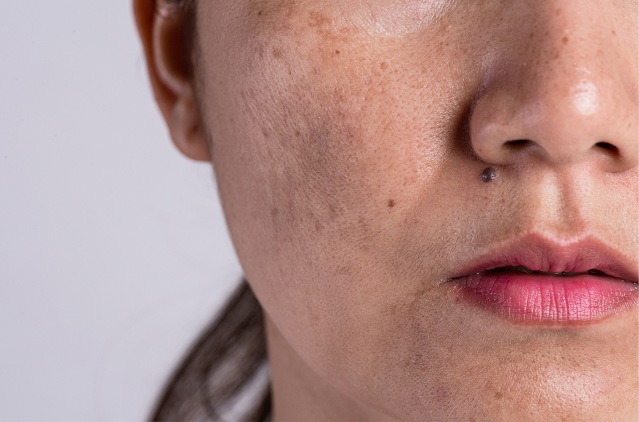
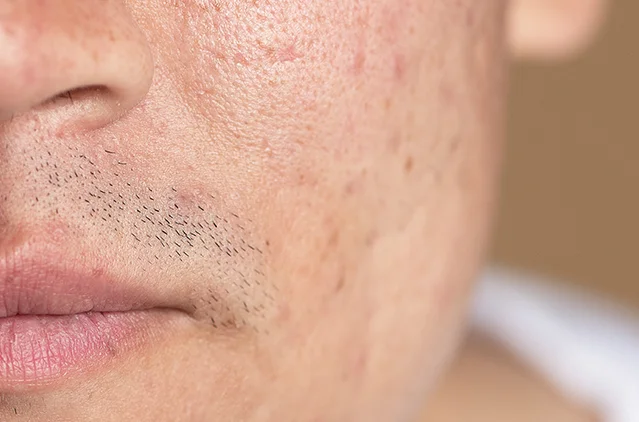
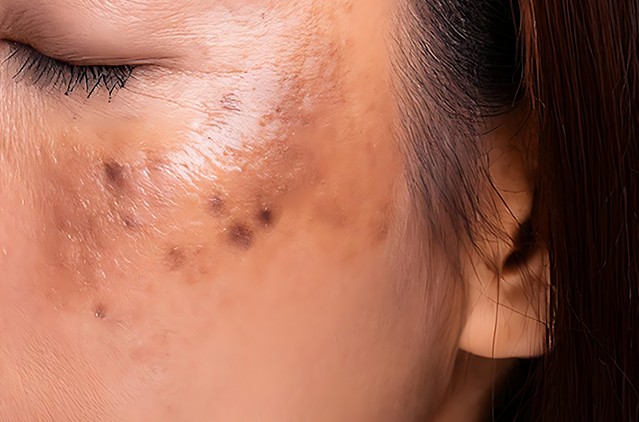
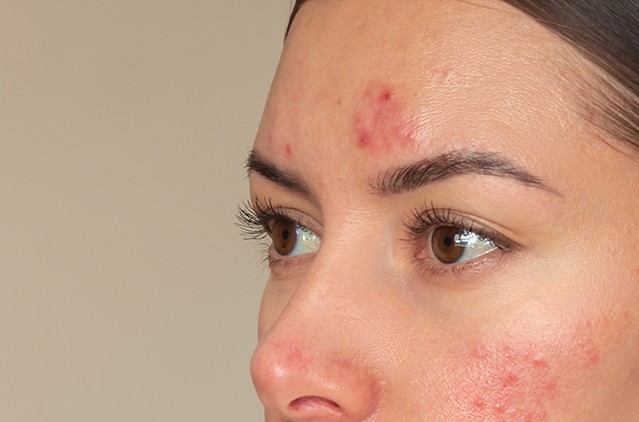
Melasma is a common skin pigmentation disorder characterised by light blue, blue-grey, brown, or freckle-like patches on the skin, especially on the face (forehead, cheeks and chin) in a mask-like fashion. Melasma is derived from the Greek word “melas”, which means black Melasma is also known as the “mask of pregnancy” as it occurs mostly in pregnant women. The exact cause for melasma developing in people remains unknown, but pregnancy exposure to sunlight and ultraviolet light, family history, people on estrogen therapy and hormonal replacement therapy, and exposure to ingredients in cosmetics and phototoxic drugs play a crucial role in its development. It is seen that people who are dark-skinned, women, pregnant women and some men are affected by melasma.
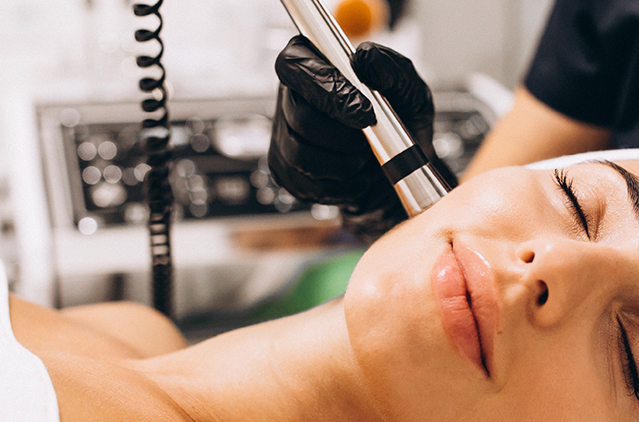
Melasma can be treated by drugs that inhibit melanin production by decreasing new melanin-producing cells and decreasing the proliferation of melanocytes. Topical hydroquinone, kojic acid, azelaic acid and tranexamic acid are effective. A mixture of hydroquinone, tretinoin and dexamethasone (Kilgman’s formula), chemical peelsand laser treatment is also effective. Using sunscreen and wearing a hat while going out in the sun is important.
How Does Melasma Impact One’s Life?
Melasma is a preventable condition but can lead to discolouration of the skin that is difficult to treat, and the most troublesome fact is – that melasma can recur; hence, it is a cosmetic disorder that can have an emotional and psychological impact on people and can impact their quality of life. According to the World Health Organization (WHO), quality of life refers to individuals’ perceptions of their position in life within their cultural context, value systems, goals, expectations, standards, and concerns.
Despite the treatments taken for melasma, when a patient has extensive melasma, especially on the face, the emotional and mental health of the patient may be affected. This can result in reduced social interaction, decreased performance at work or school and low confidence and self-esteeem.
- People with melasma have a feeling of shame in regard to their skin , low self esteem, and try to stay confined to solitary places. They so not make friends duew to the fear of people laughing at them (social stigma). The high excpenditure incurred on the treatment causes depression in most people.
- It is seen that people with melasma have very strong negative emotions about their conditions- they feel that they have been disfigured and become embarrassed to talk about their condition with others. Even when interacting with their friends or families, they always have a suspicious feeling that people are only looking at their skin and not listening to their talk; hence, they retreat inti their shell and do not interact with anyone- this leads to depression and other mental issues.
- In patients, who have suffered from melasma for a longer period, you will notice that they are emotionally vulnerable and distressed due to the feeling of hopelessnes that develops in them that they can never be cured of their condition.
- Several studies have been conducted to find the relationship between quality of life, psychological aspects and mental health in patients with melasma. The Melasma Area and Severity Index (MASI) scale (used to evaluate the severity of melasma and the area affected by it) was used as an indicator but as people with melasma have more psychosocial than physical problems, a tool called the Melasma Quality of Life (MELASQoL) scale was developed.
- MELASQoL focuses on the psychosocial aspects in people affected by melasma and comprises of 10 questions, scored from 1 (not bothered at all) to 7 (bothered all the time).
- The rating is defined as – higher the score, the lower the quality of life. Parameters like “Work,” “Family relationships,” “Social life,” “Sexual relationships,” “Recreation leisure,” “Physical health,” “Money matters,” and “Emotional well-being.” were included to find out the impact of melasma on the psychosocial aspect of people.
Studies involving patients with melasma were done in most countries using MELASQoL and it was seen that:
In patients with melasma, emotional distress and decreased social interaction was prevalent.
People with melasma showed dissatisfaction, frustration, embarrassment, and depression related to their skin condition.
They feel that the patches make them feel unattractive, which affects their social life- lack of desire their desire to be with people or interact with them. This leads to decreased quality of life.
However, people with melasma were affectionate towards others.
Treatment of melasma can only relieve the symptoms for some time in a few people, but at times after the treatments, melasma can flare up and cause discomfort. People become tired of trying out different home remedies and alternative treatments and when these treatments do not work, they become depressed and fall prey to mental issues.
Some Tips For Dealing With Mental Issues In Patients With Melasma
- Talk to your friends, family members or a counselor- they will guide you on how to sty positive and deal with melasma.
- Do not confine yourself to your room- Walk around your house, engage in some activity, etc. This wil keep your mind occupied and you will feel happy
- Do not feel ashamed- If you have melasma, it’s fine- be brave and talk about your condition and how you are dealing with it. Other people will get motivated by your approach and in this way you can even help others suffering from the condition.
- Be positive – Always remember, be happy and have a positive outlook. This will help you in dealing with your condition better.
- Be stress free- Do yoga, walk, listen to music, engage in a hobby, etc.. Stress causes aggravation of melasma; being stress free will rescue the burden of your condition and also will give you happiness.
- Eat well- Eating healthy and nutritious foods boost your immunity and keeps other infections at bay.
Melasma is not life threatening – yes, it is a troublesome disease, but being positive and mentally strong will help in coping with the disease.