Introduction
Visible pores on the face bother many people—especially in photos or after makeup.
If you searched for open pores on face causes, this guide explains why pores look bigger and what you can do, using simple steps suited to Indian skin and daily routines.
What are open pores?
Pores are tiny openings for hair follicles and oil glands.
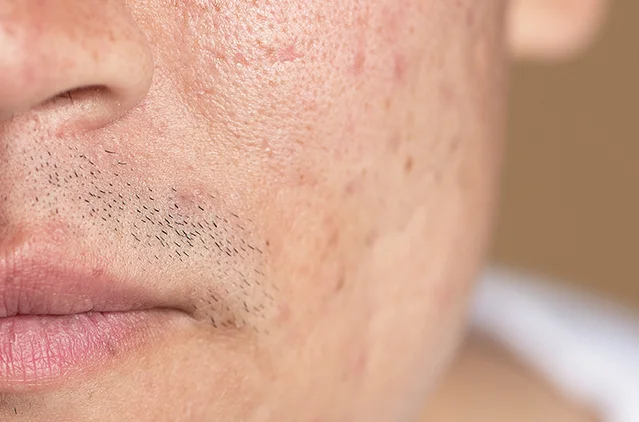
“Open pores” means the openings look larger or more noticeable due to oil, sun damage, or aging.
Common open pores on face causes
1. Genetics and skin type.
Some people naturally have wider pores, so if a family member has visible pores, so do you.
2. Excess oil and clogged pores.
- High oil production stretches out the pore opening.
- When oil mixes with dead skin cells, it can form blackheads, as well as make your pores look larger.
3. Sun damage and loss of elasticity.
- Long-term sun exposure can lead to a breakdown of collagen and elastin.
- Without firm skin, pore openings no longer have support and appear larger.
4. Aging and reduced collagen.
- As we age, collagen production diminishes, and skin laxity develops around the hype.
- This laxity makes pores appear more visible, particularly in the cheek and nose area.
5. Poor cleansing/makeup buildup.
- Not removing makeup overnight or cleansing the skin thoroughly can lead to clogged pores.
- Clogged pores will stretch and look bigger than cleaned pores.
6. Harsh products and over-exfoliation.
- When strong scrubs or excessively aggressive peels are used, it can irritate the skin.
- This irritation may also cause the pores to appear larger instead of smaller.
How to reduce the appearance of pores — daily skincare steps
- Cleanse gently twice a day using a mild, sulphate-free cleanser to remove oil and dirt without stripping skin.
- Use a BHA like salicylic acid 2–3 times a week to penetrate and clear pores; BHAs are oil-soluble and ideal for oily and combination skin.
- Introduce a retinoid slowly to increase cell turnover and support collagen; start with two nights a week and increase as tolerated.
- Moisturise with lightweight, non-comedogenic formulations to keep skin hydrated; plump skin makes pores look smaller.
- Apply broad-spectrum sunscreen every morning and reapply if you are outdoors for long periods.
- Avoid frequent pore strips and abrasive physical scrubs that can cause micro-tears and inflammation; gentle chemical exfoliation is safer.
Targeted product notes — what to look for
- BHA (salicylic acid) 0.5–2% suits many skin types when introduced slowly.
- Retinoid or retinaldehyde helps long-term collagen support; always use sunscreen when on retinoid.
- Niacinamide can help reduce oiliness and even skin texture for some people.
- Choose non-comedogenic, water-based moisturizers and oil-free sunscreens if you sweat heavily.
In-clinic treatments that help
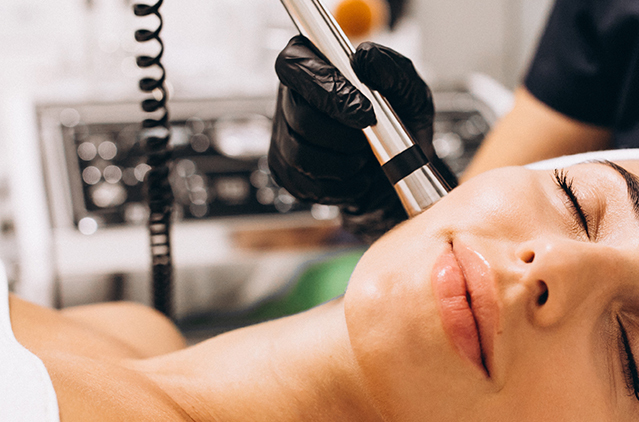
- Superficial chemical peels with either AHA or BHA effectively clear clogged pores while improving the skin texture. These are effective methods that have little or no downtime.
- Microneedling will stimulate collagen and smooth skin texture over a few sessions. Microneedling is usually combined with topical boosters.
- Fractional lasers and radiofrequency devices encourage collagen remodeling and skin tightening to lessen the appearance of pores over a period of months.
- HydraFacial cleans, extracts, and infuses serums for a smoother look almost instantly, offering a great maintenance treatment.
Before choosing a treatment, make sure to discuss the expected downtime, number of treatments, and costs with your office.
Realistic timelines and expectations
Homecare routines generally need 6–12 weeks to witness visible changes. Cell turnover and collagen changes require time. Clinic treatments may demonstrate quicker results, but the majority of treatments will require multiple treatments with weeks between for optimal results.
Lifestyle tips that help
- Maintain a balanced diet rich in vitamin C and protein to support collagen production.
- Avoid smoking, which speeds collagen loss and worsens pore appearance.
- Manage stress and sleep well, since poor sleep can affect skin repair and oil balance.
Clogged pores vs open pores
Clogged pores happen when oil and dead skin block the opening and may show as blackheads. Open pores refer to the visible widening of the pore opening, usually from loss of skin support or long-term stretching.
Makeup tips to minimise pore appearance
- Use a lightweight, mattifying primer on oily areas to smooth texture before foundation.
- A silicone-based primer can fill minor depressions and make pores look less visible under makeup.
Sample 8-week home care plan
Weeks 1–2: Start a gentle cleanse, introduce BHA once every three nights, and add sunscreen daily.
Weeks 3–6: Increase BHA to twice weekly if tolerated and begin retinoid every third night while watching for irritation.
Weeks 7–8: Build retinoid frequency to alternate nights if your skin tolerates it, continue sunscreen and moisturizer consistently.
Common myths about pores
- Myth: Cold water closes pores—it does not change pore size, though it can reduce temporary puffiness.
- Myth: Pore strips permanently shrink pores—they only remove surface debris and may irritate if used too often.
Quick note on safety and Indian skin concerns
Some peels and lasers are higher risk on darker skin tones; choose treatments and settings a clinic experienced with Indian skin uses. Choosing a clinic with experience in Indian skin reduces the risk of post-inflammatory hyperpigmentation and other side effects.
Do’s and don’ts for visible pore control
- Do be patient, wear sunscreen daily, and build a gentle routine with proven actives.
- Don’t overdo physical exfoliation, pick at blackheads, or expect instant fixes from pore strips and harsh home remedies.
When to see a dermatologist or skin clinic
If your pores are getting worse quickly, are inflamed, or not getting better after three months of appropriate care at home, you will want to see a dermatologist and/or skin clinic. Professional evaluation will also assist in making recommendations appropriate for your skin type and tone.
Conclusion—small steps, better skin
Open pores are commonplace and can be managed with an ongoing care program and realistic expectations. Start with gentle home care based on evidence and consider clinic options for faster or stronger improvement. If you’re looking for a personalized plan for Indian skin, get a skin assessment at Kosmoderma.
FAQs