Do Laser Hair Reduction Treatments Provide a Long-Lasting Solution?
Are you seeking hair reduction treatments with long-lasting results? Are you tired of plucking, shaving, and waxing your unwanted body hair? Have you heard about laser hair reduction (LHR) treatments? Now, these procedures can help to reduce body hair growth permanently. Sounds too good to be true? Well, LHR is a long-term solution for all your unwanted hair woes.
So, before considering any treatment, you may want to know how many sessions are needed. As far as laser hair removal is concerned, the number of sessions required tends to vary because of certain factors. Certainly, we will study all about them, along with how LHR works and its array of benefits.
Laser Hair Removal Is a Seamless Procedure
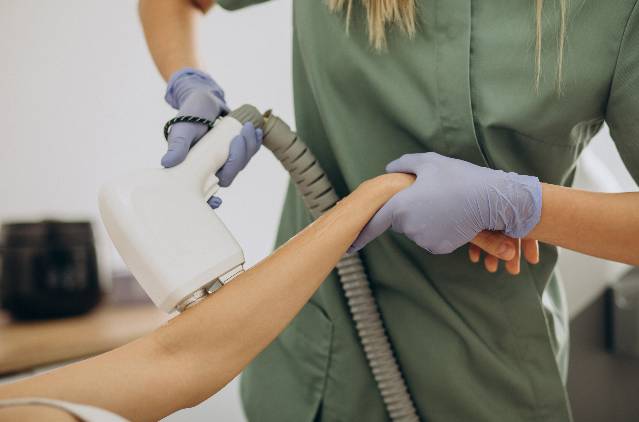
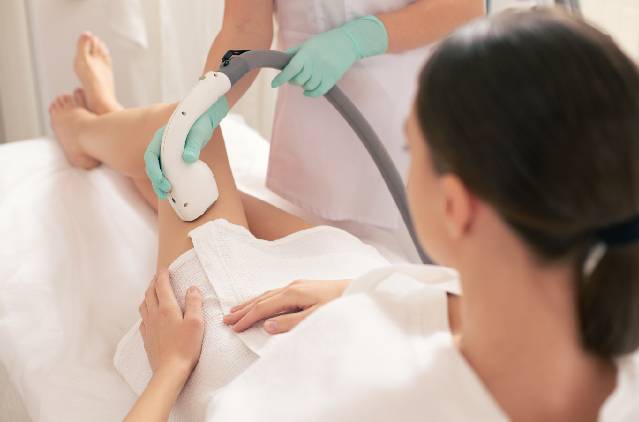
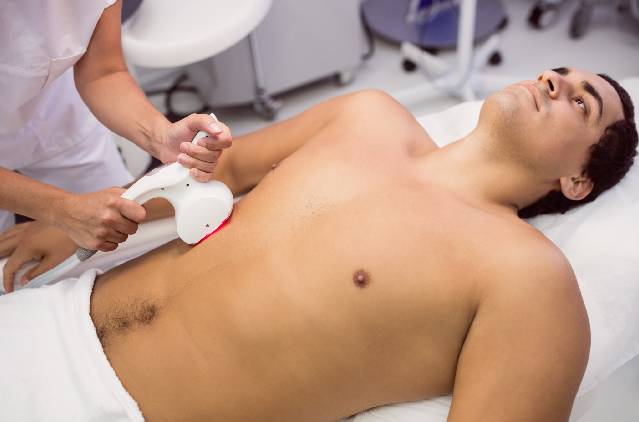
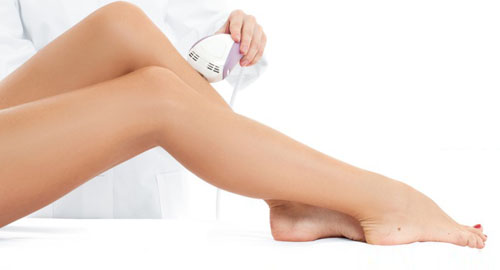
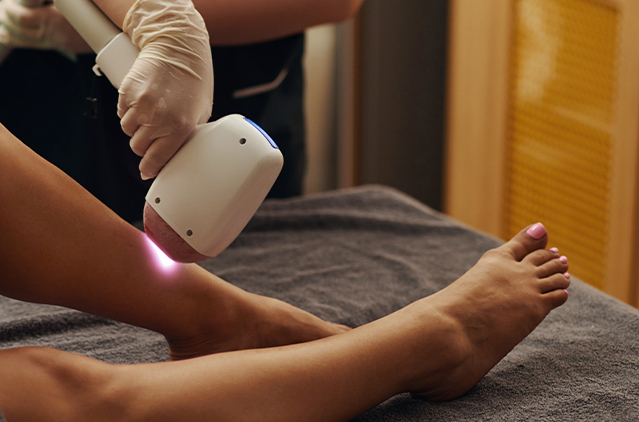
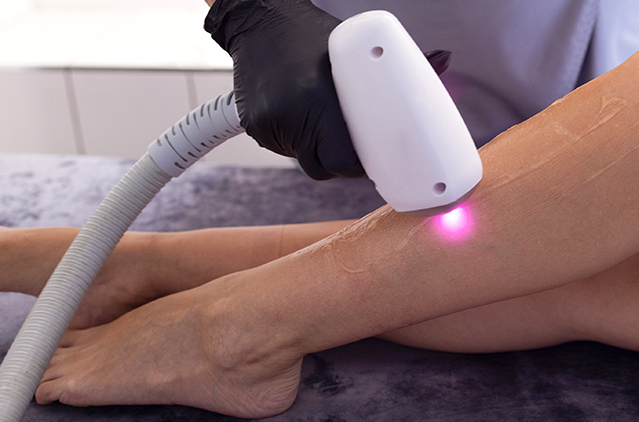
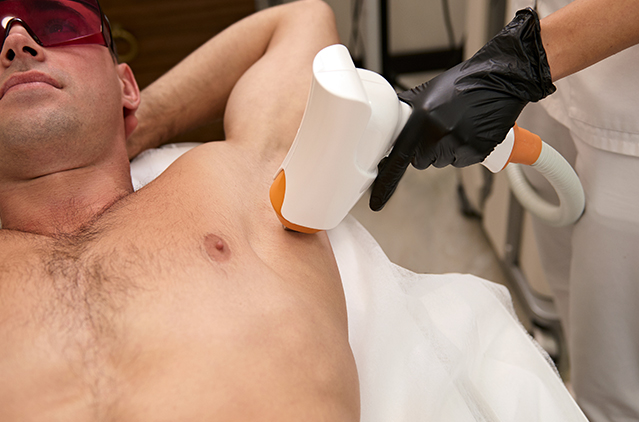
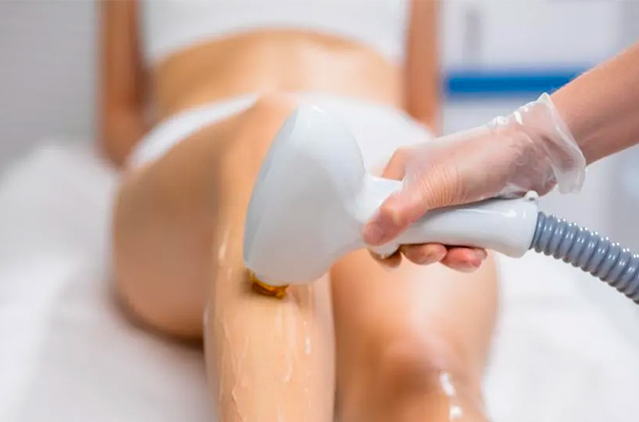
Laser hair reduction techniques deploy concentrated light beams to target unwanted hair. The light energy reflected by the laser beam is absorbed by the melanin in the hair and converted to heat energy. All this damages the hair follicles while impairing their ability to grow hair.
With laser hair removal procedures, you can reduce hair growth up to 90%. Also, LHR is known to be more effective on people with light skin and dark hair, although technological developments have helped to bridge this gap, making it suitable for all skin types.
You must also note that although laser hair reduction helps to inhibit hair growth, it does not always impart permanent results. You will have to attend multiple sessions for optimal results and you may require maintenance sessions to prolong the hair-free, smooth skin results of these treatments.
LHR Treatment: How Many Sessions Are Needed?
Various factors can influence the number of LHR sessions required, as seen herein:
- Non-Hormonal Areas:
The bikini line, underarms, legs, and arms are among non-hormonal areas and they can be covered in 6 to 8 sessions. They require fewer sessions because they have darker and coarser hair as compared to the rest of the body. Moreover, they are easy to treat because they are less influenced by hormonal changes. Plus, you have maintenance treatments which you can opt for 1 to 2 times per year for the best results.
- Hormonal Areas:
The face and neck are among hormonal areas. They are difficult to treat because they have more hair growth because of hormonal changes in the body. You may have to sit through 8 to 10 LHR sessions when targeting these areas. Also, further sessions every 3 to 4 months may be required. These treatment areas involve more sessions because they contain hormones that have more hair follicles, making them difficult to treat.
Laser Hair Reduction Sessions: Influencing Factors
Among the various factors that could affect the required number of laser hair removal sessions include:
- Hair Type and Color:
Those with dark, coarse hair require fewer treatment sessions as compared to those with light, fine hair. That’s because dark-colored hair contains more melanin and it absorbs greater light energy, which helps to destroy the hair follicles effectively. Conversely, light or fine hair contains less pigment and absorbs light energy sluggishly, which is why they are treatable with more sessions.
- Skin Type:
Darker-skinned people require more sessions than people with light skin. Here, again, dark skin contains less pigment, which is why lasers are not so effective. On the other hand, light skin contains more melanin, which absorbs the laser energy to destroy the hair follicles.
- Hormonal Imbalances:
Polycystic Ovary Syndrome (PCOS) and other hormonal disorders can trigger hair growth, which translates into more LHR sessions for the desired outcomes.
- Size of Treatment Area:
Larger body areas such as the back and the legs involve longer but fewer sessions as compared to the face and other hormonally-driven areas.
Laser Hair Removal: The Kosmoderma Experience
- Detailed Consultation: The first step in our treatment approach includes a review of the patient’s medical history, along with an in-depth hair and skin assessment.
- Before Treatment Care: Our cosmetologists/dermatologists will provide all the pre-treatment guidelines for you to follow to get the best results. You may have to shave or wax your hair to pull out the hair follicles a few days before the session, making it possible for precise laser targeting.
- Treatment Process: During treatment, your practitioner at Kosmoderma will direct the laser beam at the targeted areas, which causes a mild tingling sensation. The session lasts for 30 to 60 minutes, based on the size of the treatment area.
- Post-Treatment Care Instructions: We advise our patients to maintain their skin hydration to keep their skin smooth. Also, it is recommended to wear sunscreen regularly and avoid exposing your skin to the sun, for optimal outcomes.
Why Trust Kosmoderma for Laser Hair Removal Procedures?
- We have modern laser equipment for precise, quick and comfortable treatments.
- Our laser machines are customizable and the settings can be adjusted based on your hair reduction needs.
- Our LHR treatments involve minimal downtime, allowing busy professionals to resume their normal schedule immediately after.
- We deploy clinically proven techniques to not only match but exceed your expectations.
Ready to start your journey to smooth skin?
Say hello to soft, hair-free skin with Kosmoderma’s Laser Hair Reduction Treatments. Book your free consultation with our specialists and find out how many LHR sessions you need to get rid of excessive body hair for a silky skin feel.