Is It Just Chest Fat or Do You Need Gynecomastia Treatment?
If you’re constantly wondering why your chest still looks puffy despite clean eating and working out, the answer might be more medical than lifestyle-based. What appears to be stubborn fat may be gynecomastia, a condition that affects many Indian men and requires a different approach, specifically, gynecomastia treatment.
This blog will help you understand the difference between gynecomastia and chest fat and guide you through effective gynecomastia treatment options available at Kosmoderma Skin, Hair & Body Clinics.
What Is Gynecomastia?
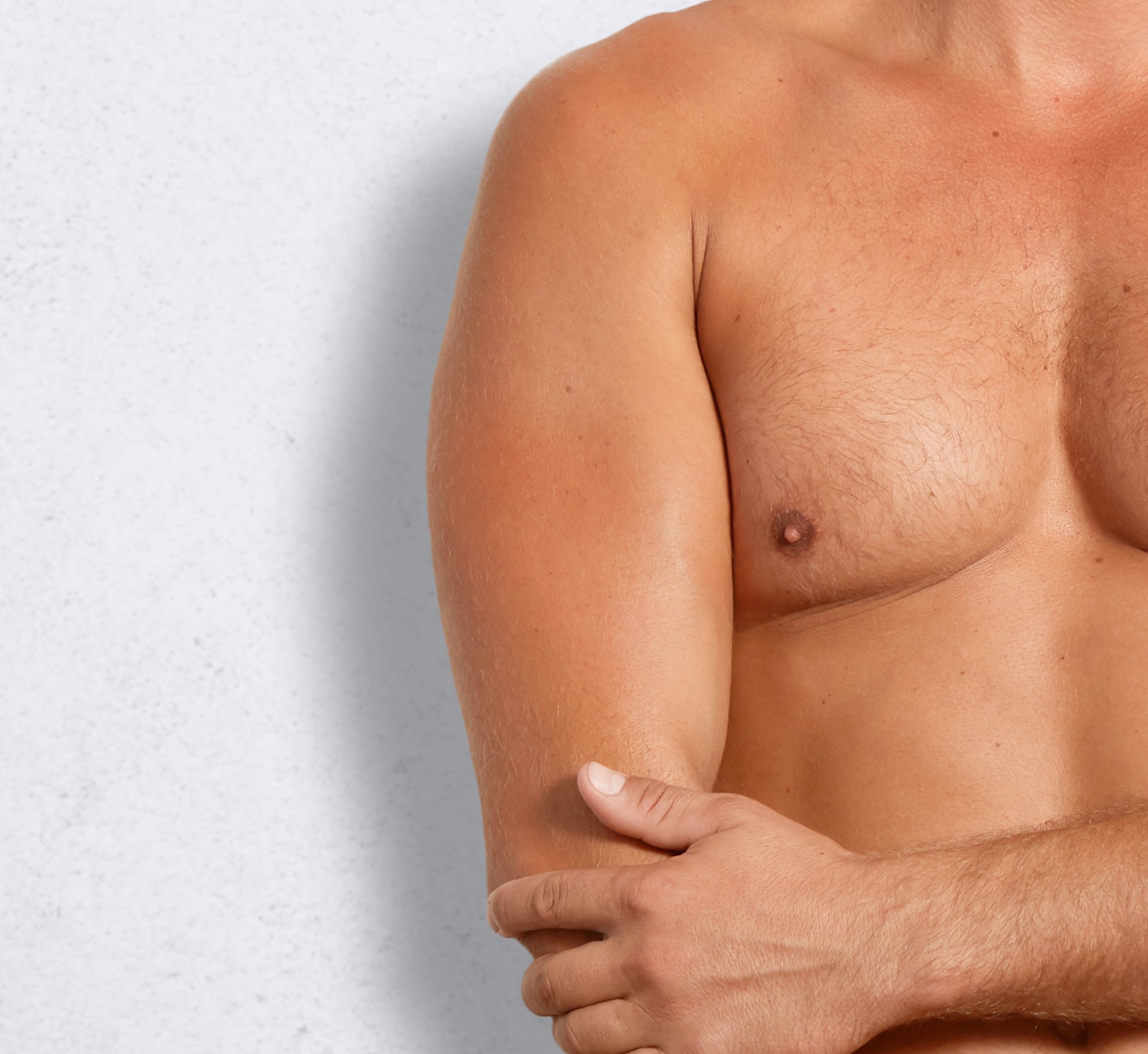
Gynecomastia is the enlargement of male breast tissue, typically caused by hormonal imbalances—an increase in estrogen levels or a decrease in testosterone. This results in the development of glandular breast tissue under the nipple area, which can feel rubbery or firm.
According to data published by the Indian Journal of Endocrinology and Metabolism, gynecomastia affects over 60% of Indian men at some point in their lives, ranging from teenage boys to middle-aged men.
Gynecomastia isn’t always caused by hormones or lifestyle habits alone. In some cases, it can be a symptom of an underlying medical condition. These include:
- Liver disorders
- Kidney failure
- Certain cancers
- Pituitary gland issues
- Congenital conditions
- Thyroid problems
- Injury or trauma
- Obesity
What Is Chest Fat?
Chest fat, or pseudo gynecomastia, is the accumulation of fat in the chest area, often due to weight gain, poor diet, or lack of exercise. Unlike gynecomastia, chest fat usually responds well to weight loss and fitness routines, and does not require surgical gynecomastia treatment.
Key Differences: Gynecomastia vs. Chest Fat
| Feature | Gynecomastia | Chest Fat |
|---|
| Tissue Type | Glandular (firm) | Fatty (soft) |
| Feel | Rubber-like lump under the nipple | General puffiness |
| Pain | Maybe tender | Painless |
| Response to Exercise | No change | Often improves |
| Treatment | Needs gynecomastia treatment | Weight loss, diet, and workouts |
Gynecomastia vs. Chest Fat: Key Differences
Here’s a simple breakdown to help you identify what you’re dealing with:
| Feature | Gynecomastia | Chest Fat |
|---|
| Tissue Type | Glandular tissue | Fatty tissue |
| Feel | Firm, a rubbery lump under the nipple | Soft and spread out |
| Symmetry | Can be one-sided (unilateral) | Usually even (bilateral) |
| Pain | May cause tenderness or sensitivity | No pain |
| Cause | Hormonal imbalance | Poor diet, lack of exercise |
| Response to Exercise | Does not improve | Can improve with fitness |
| Appearance | Puffy nipples, cone-shaped chest | Flabby or saggy appearance |
Do I Need a Diagnosis?
Absolutely. Self-diagnosing gynecomastia can be misleading, and mistaking one for the other can delay the right treatment.
At Kosmoderma Skin, Hair & Body Clinics, we offer a thorough consultation where our medical experts examine your condition clinically. If required, you may also be advised to undergo:
- Hormonal blood tests
- Chest ultrasound or mammography
- Body composition analysis
This ensures we don’t just treat the symptom but address the root cause with precision.
When Should You Consider Gynecomastia Treatment?
- Feel embarrassed to wear tight clothes or go shirtless
- Experience pain, swelling, or nipple tenderness
- Notice your chest hasn’t changed despite weight loss
- Are emotionally distressed due to your chest appearance
…then it’s time to consider gynecomastia treatment.
What Are the Best Gynecomastia Treatment Options?
1. Non-Surgical Treatments (For Mild Cases)
If the condition is recent and still at an early stage (Grade I), non-surgical options may help:
- Hormonal therapy to balance estrogen/testosterone levels
- Weight loss programs that reduce peripheral fat
- High-Intensity Focused Ultrasound (HIFU) to break down localized fat
- Body Contouring devices that target fat and muscle toning
However, if glandular tissue is prominent, these methods may not suffice.
2. Surgical Treatment: Gynecomastia Surgery
This is the most effective and permanent solution, especially for moderate to severe cases.
Procedure Includes:
- Liposuction to remove excess fat
- Excision of glandular tissue through a small incision around the areola
- Minimal downtime: Most patients return to normal activities in 3–5 days
- Results are typically permanent if you maintain a healthy lifestyle
At Kosmoderma, this procedure is performed by board-certified cosmetic surgeons, ensuring safety, aesthetics, and natural-looking results.
3. Post-Surgery Care & Skin Tightening
After gynecomastia surgery, we also offer:
- LPG Endermologie™ to boost skin elasticity
- Scar reduction lasers for better healing
- Nutritional support and fitness planning to maintain results
Real Results from Real Men
“I struggled with man boobs for 5 years and tried everything from gym workouts to fat burners. Nothing worked until I did gynecomastia surgery at Kosmoderma. It was quick, and the recovery was smoother than I expected. Now I wear t-shirts without feeling self-conscious.” – Arjun M., 29, Bengaluru
“Mine was a hormonal case that wouldn’t go away. The doctors explained everything clearly, and surgery gave me the transformation I needed. Best decision ever.” – Karthik S., 35, Chennai
Why Choose Kosmoderma for Gynecomastia Treatment?
- Expert Evaluation: Every patient undergoes a detailed hormonal and physical evaluation.
- Customized Plans: We combine medical, non-surgical, and surgical treatments based on your grade.
- Safe & USFDA-Approved Technologies: From HIFU to Liposuction, all techniques are world-class.
- Discreet & Confidential: We understand the emotional weight of gynecomastia and provide complete privacy.
- Trusted by Celebrities & Professionals Alike
Conclusion
If you’ve been second-guessing whether your chest concern is fat or something more, stop wondering and start acting. Gynecomastia isn’t rare, and it’s nothing to be embarrassed about. But doing nothing will only make the emotional and physical discomfort worse.
Ready to Transform?
FAQs