Introduction — Why this matters
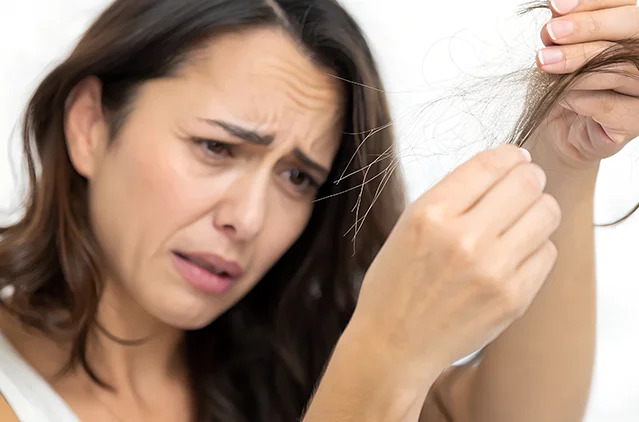
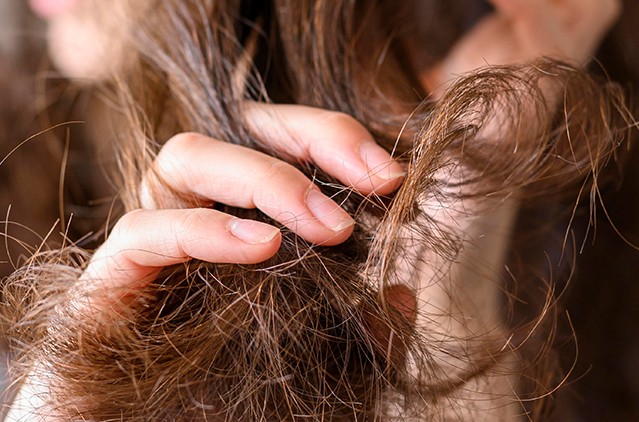
If you’re a woman noticing more hair in the drain, a wider parting, or visible thinning, you’re not alone, and you don’t have to accept it as “just aging.” Hair loss treatment for women is more advanced and accessible than ever.
In this post, you’ll learn the common causes, how doctors diagnose the problem, the treatments that actually work, safety considerations for women (especially of childbearing age), and a step-by-step plan you can follow with a specialist.
How doctors diagnose female hair loss
Before any treatment, an accurate diagnosis is essential.
- Medical history & symptoms: pattern, onset, medications, family history.
- Scalp exam: hair density, miniaturisation patterns, scarring.
- Simple tests: blood tests (iron, thyroid, hormones), scalp dermoscopy, hair pull test.
- When needed: scalp biopsy to tell scarring vs non-scarring hair loss.
Getting the diagnosis right focuses treatment and saves time and money.
Common causes of hair loss in women
Understanding the cause helps choose the right hair loss treatment for women.
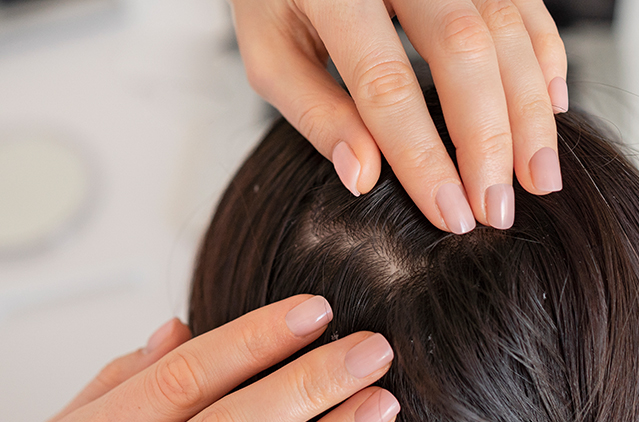
- Female pattern hair loss (androgenetic alopecia): gradual thinning, usually on the crown and part line.
- Telogen effluvium: temporary increased shedding after stress, illness, childbirth, or major diet change.
- Alopecia areata: patchy autoimmune hair loss.
- Nutritional or hormonal reasons: deficiencies in iron, thyroid, or PCOS.
- Scarring alopecias: inflammatory conditions that destroy hair follicles — urgent specialist care needed.
- Medication-related or chemical damage: Some drugs or harsh cosmetology treatments can cause shedding.
Advanced Hair Loss Treatments at Kosmoderma
Kosmoderma provides advanced hair loss treatment using innovative technology combined with personalized care. This approach addresses active shedding, stimulates new hair growth, and improves overall hair quality. Some of the advanced treatments available include:
PRP (PLATELET-RICH PLASMA)
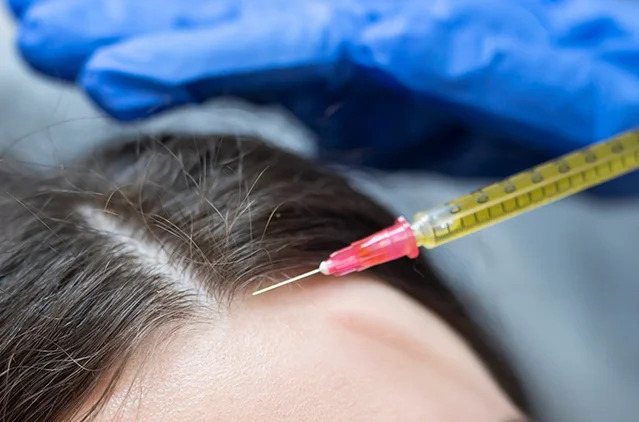
PRP involves using your own platelets to activate dormant hair follicles. This PRP treatment encourages natural hair growth and thickens existing hair. Most patients undergo several sessions spaced a few weeks apart until the full course of treatments is completed.
EXOSOME
One of the new treatments, exosome therapy, uses regenerative medicine and insight to improve follicle health and hair density. This option is provided by specialists only, and your doctor will go over the expected results, number of sessions, and the cost.
QR678
QR678 is a clinically proven growth factor therapy designed specifically for female hair thinning and pattern hair loss. Using concentrated growth factors, it revitalises hair follicles and improves overall hair thickness and texture.
GFC (Growth Factor Concentrate)
GFC therapy is another advanced treatment that delivers concentrated growth factors directly into the scalp to promote hair regrowth, improve hair density, and enhance scalp health.
Low-Level Laser Therapy (LLLT)
LLLT devices, part of Low-Level Laser Therapy, are available for both home and clinic use. They help maintain existing hair density, reduce shedding, and stimulate new growth by improving blood circulation in the scalp.
Microneedling + Topical Serums
Microneedling combined with specialized serums enhances absorption and activates scalp healing, making it an effective adjunct to other therapies for thinning hair.
Surgical Option: FUE Hair Transplant
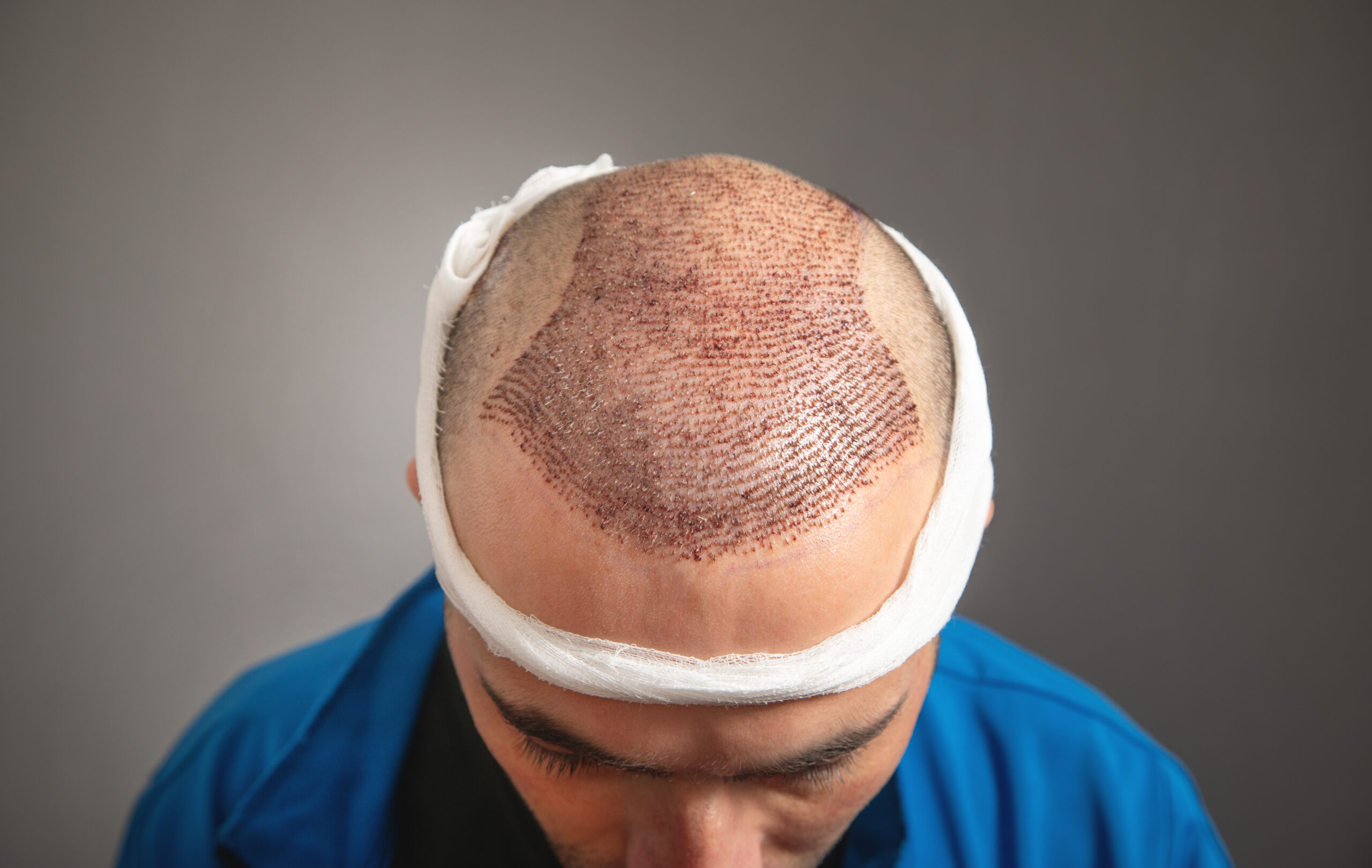
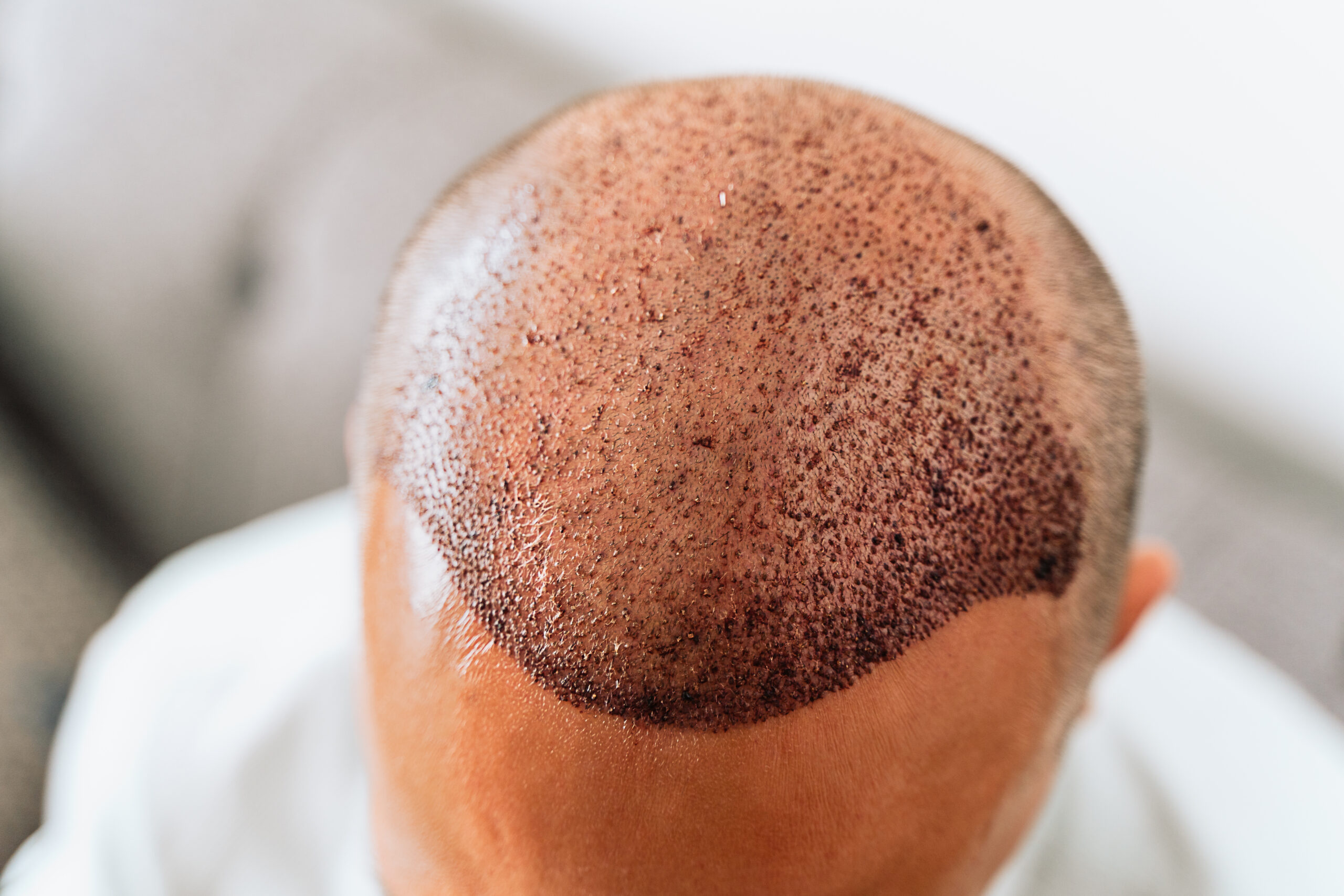
For women with stable, localized hair loss and adequate donor hair, FUE hair transplants provide a permanent solution. Our professionals will discuss realistic expectations and available donor hair and will also review maintenance after the transplant for the long term.
Addressing Root Causes
To achieve optimal results, we will also address the underlying issues causing the hair loss:
Correcting Deficiencies & Hormonal Imbalance:
Correcting iron deficiency, vitamin D deficiency, and thyroid dysfunction, and managing PCOS can dramatically reduce shedding.
Lifestyle Changes:
Gentle hair care, no tight hairstyles, a balanced diet with enough protein and micronutrients, and managing stress create a foundation for healthy hair for the long term.
Choosing the right treatment plan
- See a dermatologist or trichologist for diagnosis (avoid self-prescribing).
- Baseline tests include iron studies, thyroid, and hormone profile if indicated.
- Start evidence-based first-line therapy (e.g., topical minoxidil) while treating reversible causes.
- Add clinic procedures (PRP, GFC, QR 678, Exosomes, Microneedling, and many more) after 3–6 months if the response is slow.
- Surgery only after stabilizing the disease and realistic counselling.
What to expect — timeline & realistic outcomes
You may see reduced shedding within 2–3 months and new/stronger growth by 4–6 months on effective therapy.
Most medical and procedural treatments require ongoing maintenance.
Results vary by cause: telogen effluvium often recovers fully once the trigger is removed; genetic thinning is managed but rarely “cured” without surgery.
Safety & pregnancy considerations
Many hair-loss medicines are contraindicated in pregnancy (e.g., oral finasteride). Topical and in-clinic options need a doctor’s approval.
If planning pregnancy, tell your dermatologist—they’ll tailor a pregnancy-safe plan.
What Our Clinical Evidence Shows About Female Pattern Hair Loss
Female pattern hair loss (FPHL) is the most common type of alopecia in women, occurring in approximately one-third of adult Caucasian females. It is characterized by diffuse thinning on the mid-frontal scalp due to follicular miniaturization (Sinclair et al., 2011; Fabbrocini et al., 2018). Hair loss in females is psychologically significant as it is commonly unexpected at any age and unwelcome due to cultural and societal views on women’s hair (Sinclair et al., 2011).
Treatment options available for females include topical minoxidil, while other minimally invasive adjuvant therapies such as microneedling, mesotherapy, and platelet-rich plasma (PRP) injections may also help support hair regrowth (Melo et al., 2022).
For males and females with advanced hair loss, hair transplantation is the only permanent solution to restore balding in adequate donor areas (Sinclair et al., 2011; Levy & Emer, 2013). There are also cosmetic products that can help women maintain the appearance of their hair and reduce breakage, which can help with confidence while undergoing treatment (Sinclair et al., 2011).
Cost & access
Costs vary significantly by city and clinic. Clinics typically provide:
- Consultation + diagnostics
- Monthly topical medications or supplements
- PRP/PRF sessions (package pricing)
- Surgery (if needed) quoted separately
TIP: consider clinics based on experience, before-and-after photos, and follow-up protocol—not just price.
FAQs
Worried about thinning hair? Book a dermatologist consultation to get a scalp assessment and personalized treatment plan.