Introduction: Is hair transplantation truly safe?
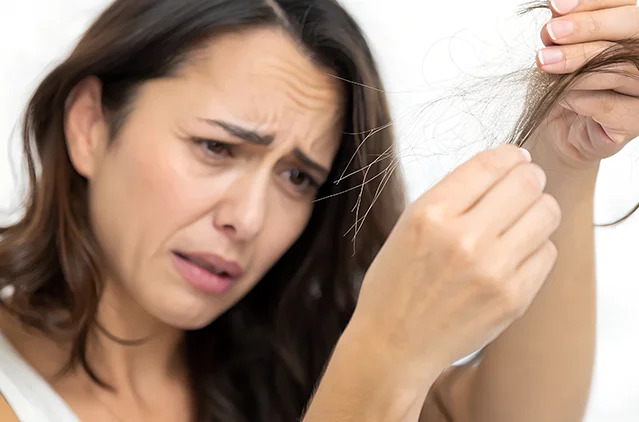
Hair loss is a distressing condition that affects millions globally, affecting them psychologically, socially, and professionally. For those searching for a permanent solution, hair transplantation has emerged as one of the most reliable and long-lasting treatment methods. But the common query remains: Is hair transplantation truly safe?
Let’s take a closer, evidence-backed look at whether a hair transplant is safe, who it’s meant for, and what kind of transformation you can genuinely expect from this life-changing hair loss treatment.
Understanding Hair Transplantation
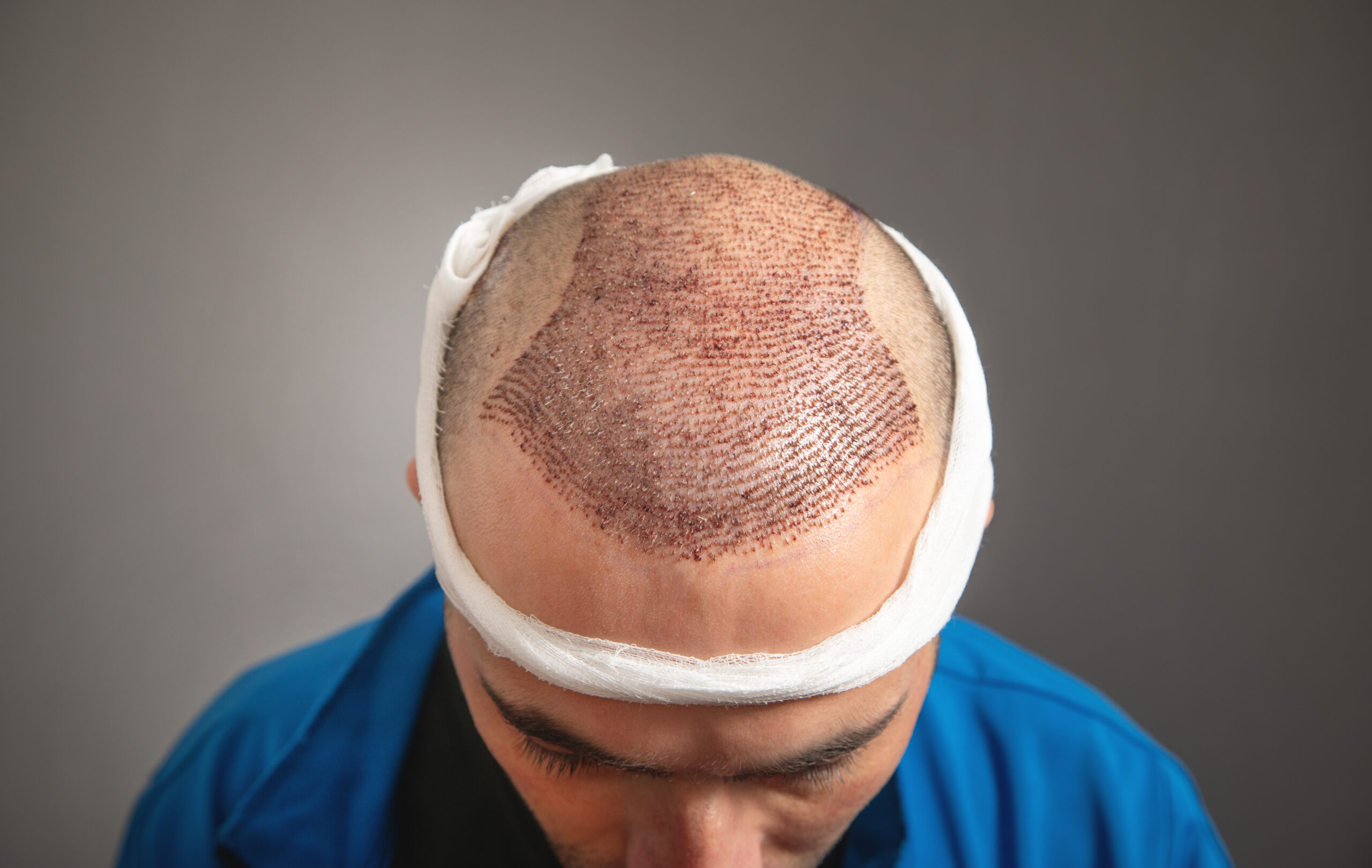
Hair transplantation is a surgical procedure where hair follicles are moved from a donor area (Usually the back or sides of the scalp) to areas affected by thinning or baldness. The two most commonly used techniques are:
- FUT (Follicular Unit Transplantation): Involves removing a strip of scalp and dissecting it into follicular units.
- FUE (Follicular Unit Extraction): Individual hair follicles are harvested directly from the donor part.
Both methods are performed under local anesthesia, and as an outpatient procedure, it is one of the many reasons why a hair transplant is safe and well-tolerated by most individuals.
Is It Safe? An Evidence-Based Perspective
When conducted in a sterile room by qualified professionals, hair transplantation is widely regarded as safe.
A 2022 review published in the Indian Journal of Dermatology, Venereology and Leprology concluded that the overall complication rate of hair transplantation remains under 2%. Most adverse effects are mild and transient, including temporary redness, swelling, or numbness at the graft or donor sites. No long-term systemic effects have been identified.
Safety is further enhanced by:
- Use of FDA-cleared tools
- Stringent sterilization protocols
- Post-procedure care and monitoring
Important Note: Safety largely depends on where and by whom the procedure is performed. Choosing an experienced dermatologist-led team in an accredited medical facility is crucial.
Who Is the Right Candidate?
Hair transplant is not a one-size-fits-all solution. The procedure is best suited for individuals who meet specific clinical criteria.
Ideal Candidate Profile
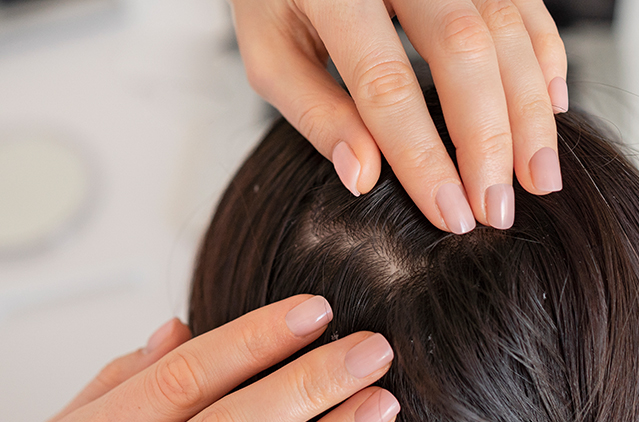
- Healthy scalp condition
- Adequate donor hair density
- Realistic expectations about results
- Good general health (no uncontrolled diabetes, bleeding disorders, etc.)
Common Indications for Hair Transplantation
- Male and female pattern hair loss
- Norwood stage III–V for men
- Ludwig stage II for women
- Traction alopecia
- Stable cases of:
- Frontal fibrosing alopecia
- Lichen planopilaris
- Folliculitis decalvans (in remission for several years)
- Facial hair restoration (eyebrows, beards, sideburns)
- Gender-affirming hair placement (pubic, facial, body hair)
Active or inflamed stages of scarring alopecias (like lichen planopilaris, folliculitis decalvans) are contraindications for transplant. Surgery should only be considered after prolonged disease stability.
Temporary Side Effects: What to Expect
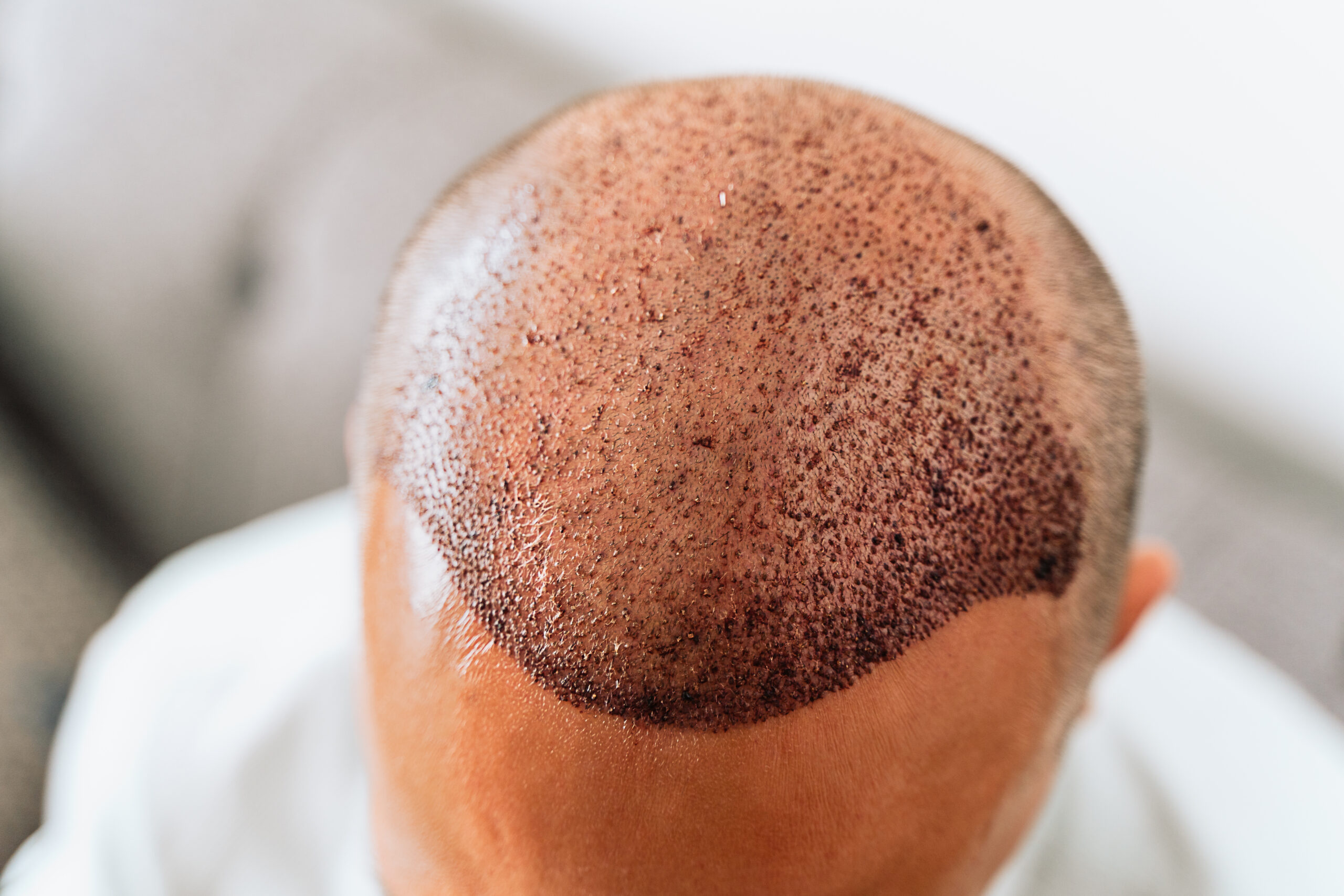
Post-operative effects are generally minor and subside within a few days. These include:
- Scalp tenderness or mild discomfort
- Swelling in the forehead or around the eyes
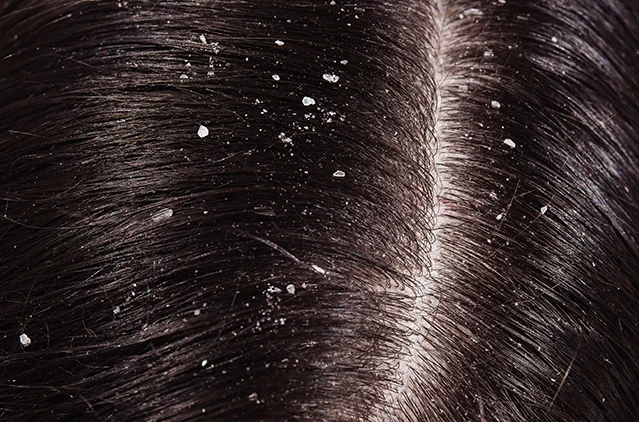
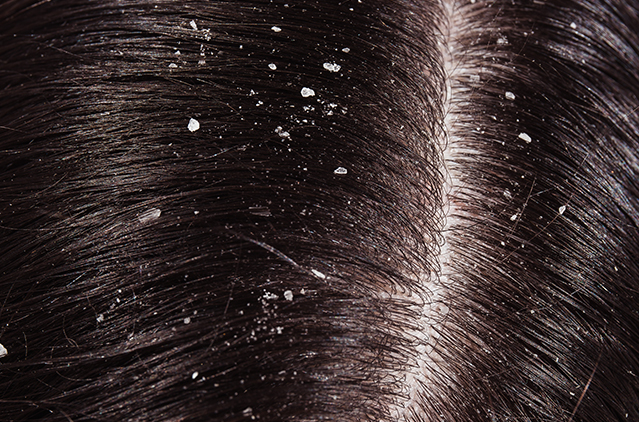
- Itching or flaking as grafts begin to settle
- Shedding of transplanted hair in the first month (a normal part of the process)
- These symptoms are manageable with medications and guided post-care.
Long-Term Results and Success Rates
Hair transplantation offers natural-looking and permanent results when performed on the right candidates. According to various clinical studies:
- Graft survival rates exceed 90% in skilled hands
- Hair regrowth becomes visible in 3 to 6 months
- Final results are usually achieved within 12 to 18 months
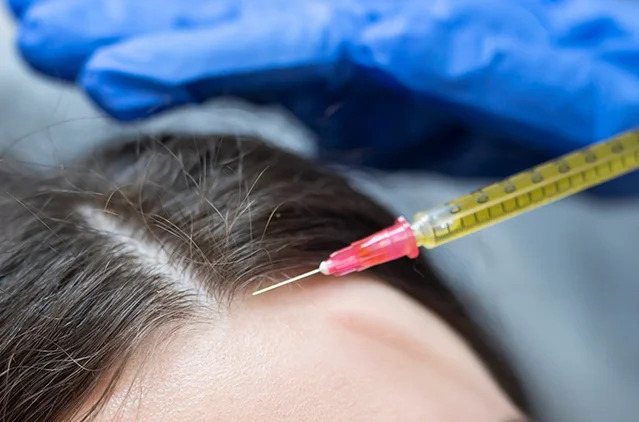
With advancements like sapphire blades, micromotor-assisted FUE, and PRP Treatment (platelet-rich plasma) support, today’s procedures offer even better outcomes than a decade ago.
Key Safety Tips for Patients
To ensure optimal safety and results, clients must remember that while a hair transplant is safe when performed under the right conditions, it is still a medical procedure that requires expert handling. Here are a few tips to keep in mind:
- Choose an MD-certified dermatologist or hair transplant surgeon
- Verify the clinic uses US-FDA-approved equipment
- Follow pre-op and post-op instructions carefully
- Avoid procedures in salons or unregulated setups
Always remember, a hair transplant is safe only when carried out by qualified professionals in a medically supervised environment, not in cosmetic parlours or DIY setups.
Final Thoughts
Under appropriate clinical supervision, hair transplantation is not only safe but also effective. Complications in contemporary hair transplant surgery are uncommon and largely preventable, although no procedure is completely risk-free.
To determine your eligibility and create a customized treatment plan, speak with a licensed dermatologist if you’re thinking about getting a transplant because you’re losing hair.
Our team of skilled dermatologists at Kosmoderma Skin, Hair & Body Clinics prioritizes patient safety while performing cutting-edge, globally recognized hair transplant procedures.
FAQs