Introduction – Dandruff & Treatment
Dandruff is common, uncomfortable, and often embarrassing, but most cases are manageable. Knowing the exact type of dandruff helps you choose the right treatment, rather than wasting time on random fixes.
This short guide explains how to identify each type, and which aesthetic/in-clinic options Kosmoderma offers if over-the-counter measures don’t work. We’ve also included practical tips for Indian weather, product-use notes, and when to seek professional care.
What is dandruff — quick and simple
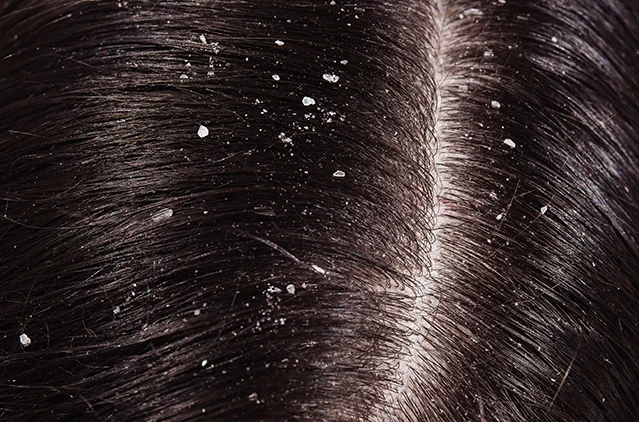
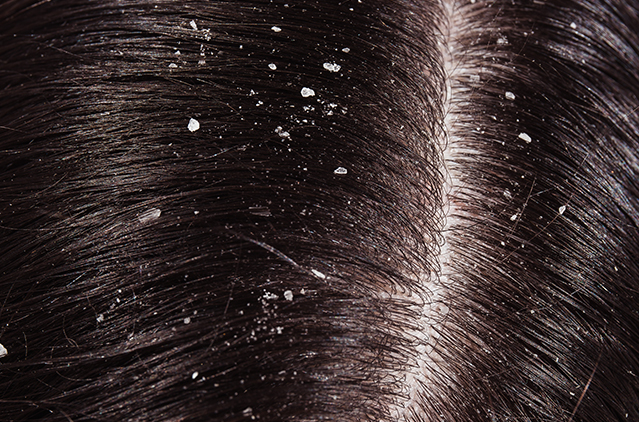
Dandruff is visible flaking of the scalp with or without itch. Causes include dry skin, overgrowth of the yeast Malassezia, oily scalp, or underlying skin conditions such as psoriasis or tinea. Correct identification matters because treatments differ.
Practical Note
Flakes that are small and dry usually point to simple dryness; larger, greasy flakes with redness often mean an inflammatory process such as seborrheic dermatitis. If in doubt, a dermatologist’s exam (and sometimes a scalp scraping) clarifies the diagnosis quickly.
Main types of dandruff (how to recognise them)
Dry-scalp dandruff (pityriasis simplex)
Small, dry white flakes that fall easily. The scalp often feels tight, common in winter or after harsh shampoos. Treat your hair with gentle, hydrating shampoos and use occasional light scalp oil.
Expanded Tip
Choose shampoos labelled “moisturizing” or “for dry scalp” and avoid sodium lauryl sulfate (SLS) in frequent-wash routines. A weekly coconut- or almond-oil massage (leave 30 to 60 minutes, then wash) can help restore lipids without clogging pores if your scalp is not overly oily.
Oily/seborrheic dandruff (seborrheic dermatitis)
Greasy, yellowish flakes with redness and itch; may affect eyebrows and the sides of the nose. Responds well to antifungal medicated shampoos (ketoconazole, zinc pyrithione, selenium sulfide).
Expanded Tip
When using medicated shampoos, wet the hair, lather, and leave the shampoo on the scalp for 3 to 5 minutes before rinsing to improve efficacy.
Scalp psoriasis
Thick, silvery plaques that are more raised than typical dandruff and may extend beyond the hairline.
Expanded note
Psoriasis plaques are often thicker and can bleed if scratched. Keratolytic shampoos (salicylic acid) can help remove scale before topical treatment. Systemic treatments are considered for widespread or resistant disease.
Tinea capitis (scalp fungal infection)
Patchy hair loss with scaly red patches — more common in children and requires oral antifungals prescribed by a doctor.
Expanded note
Because tinea capitis can be contagious, prompt diagnosis and treatment—often oral terbinafine or griseofulvin—is important. Household contacts may need screening, and avoid sharing pillows/combs until treated.
Cradle cap (infants)
Sticky yellow scales on baby scalps. Usually managed with gentle baby shampoo and soft brushing.
Expanded Tip
Gentle application of mineral oil or baby oil overnight softens scales for easy removal; seek paediatric guidance if the area becomes red or infected.
Kosmoderma’s Advanced Dandruff Treatments
At Kosmoderma, we use clinic procedures as adjuncts — not replacements — for medical therapy. These help when topical care alone is insufficient, when the scalp has thick, stubborn scale, or when patients want faster symptomatic relief and scalp restoration.
Professional Scalp Peels/Exfoliation
- What it is: Controlled chemical or enzymatic exfoliation to remove thick scale and improve topical penetration.
- When to consider: Stubborn scale unresponsive to shampoos, or when you plan to follow with a medicated topical that needs better absorption.
- Safety/expectations: Usually well tolerated; mild transient redness may follow. Typical course: 1–3 sessions spaced 2–4 weeks apart.
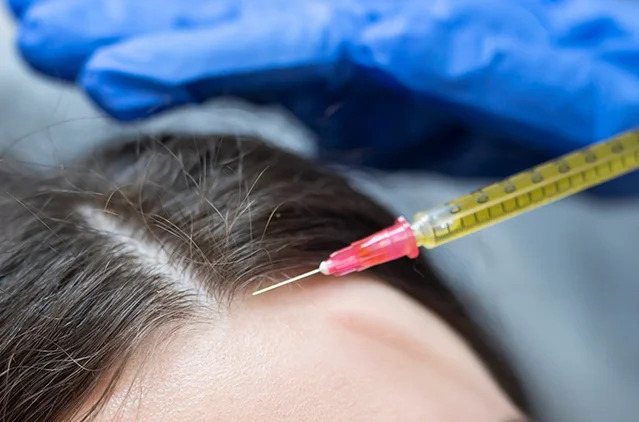
Scalp Mesotherapy
- What it is:Microinjections of vitamins, anti-inflammatory agents, or antifungal solutions into the superficial scalp.
- When to consider:As an adjunct to improve local scalp health and support medical therapy, particularly where microcirculation or nutrient delivery is a concern.
- Evidence Note:Evidence is evolving — some patients benefit symptomatically; it should be chosen after a dermatologist assessment.
HydraFacial Keravive / Professional Scalp Hydra Treatments
- What it is:HydraFacial Keravive is an advanced HydraFacial treatment specially designed for the scalp. It combines gentle mechanical exfoliation, deep cleansing, and the infusion of nourishing serums to hydrate and clear away buildup.
- When to consider:Symptomatic dryness, flaky build-up, or as a preparatory step before other procedures. Useful for visible improvement in scalp texture and comfort.
Photodynamic Therapy
- What it is:Light-based procedures often combined with photosensitizers to reduce inflammation and control seborrheic activity.
- When to consider:Resistant seborrheic dermatitis not responding to topical therapy.
- Evidence Note:Clinical studies show promise for inflammatory scalp conditions; protocols vary and should be performed by trained clinicians.
Low-level Laser Therapy (LLLT)
- What it is:Platelet-rich plasma injections + micro-injury to stimulate scalp healing; primarily used for hair growth but can improve scalp microenvironment.
- When to consider:If dandruff is associated with hair thinning or chronic scalp inflammation; not a frontline dandruff treatment.
Important patient-selection note
Most clinic procedures are adjuncts; they accelerate improvement and target stubborn cases. They’re prescribed after clinical assessment, often combined with medicated shampoos and topical therapy. Kosmoderma dermatologists tailor protocols to skin type, scalp condition, and treatment goals.
When to see a dermatologist
Book a Kosmoderma consultation if medicated shampoos haven’t improved your condition after 4–6 weeks, or if you notice patchy hair loss, painful lesions, or thick plaques. Our specialists will confirm the diagnosis through a clinical evaluation (and tests if required) and create a personalised treatment plan tailored to your needs.
During the consult, you can expect a quick scalp exam, discussion of prior treatments, and a personalised plan.
FAQs
Persistent flakes or hair concerns?
Book a personalised scalp evaluation at Kosmoderma: Book Appointment.